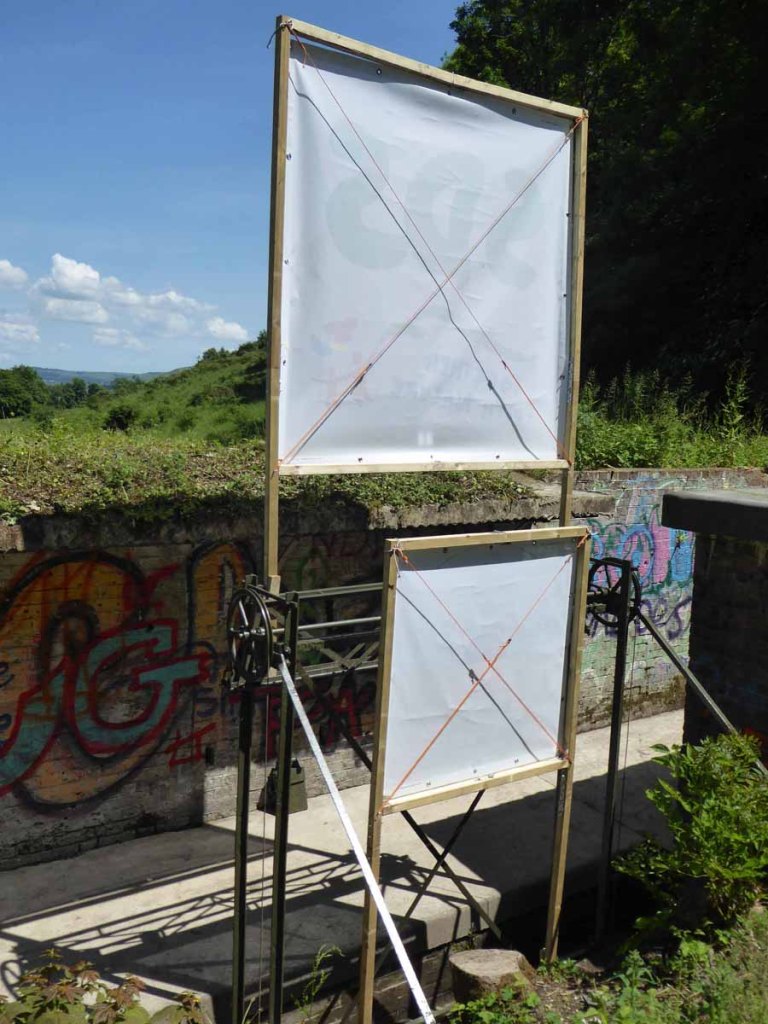
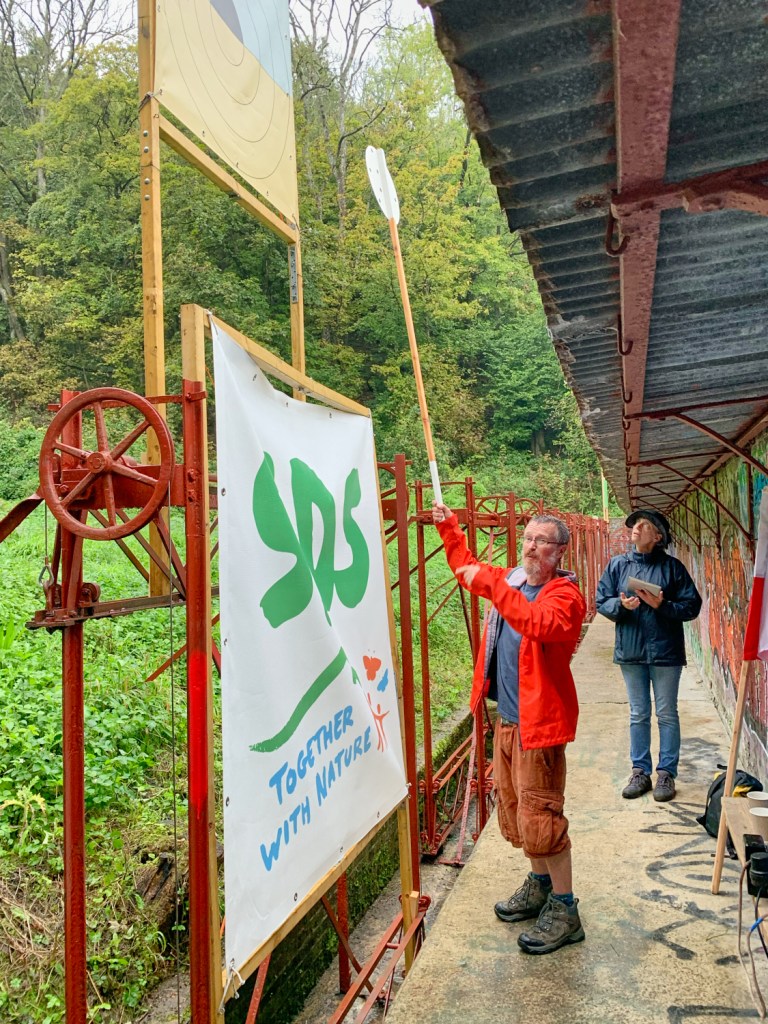
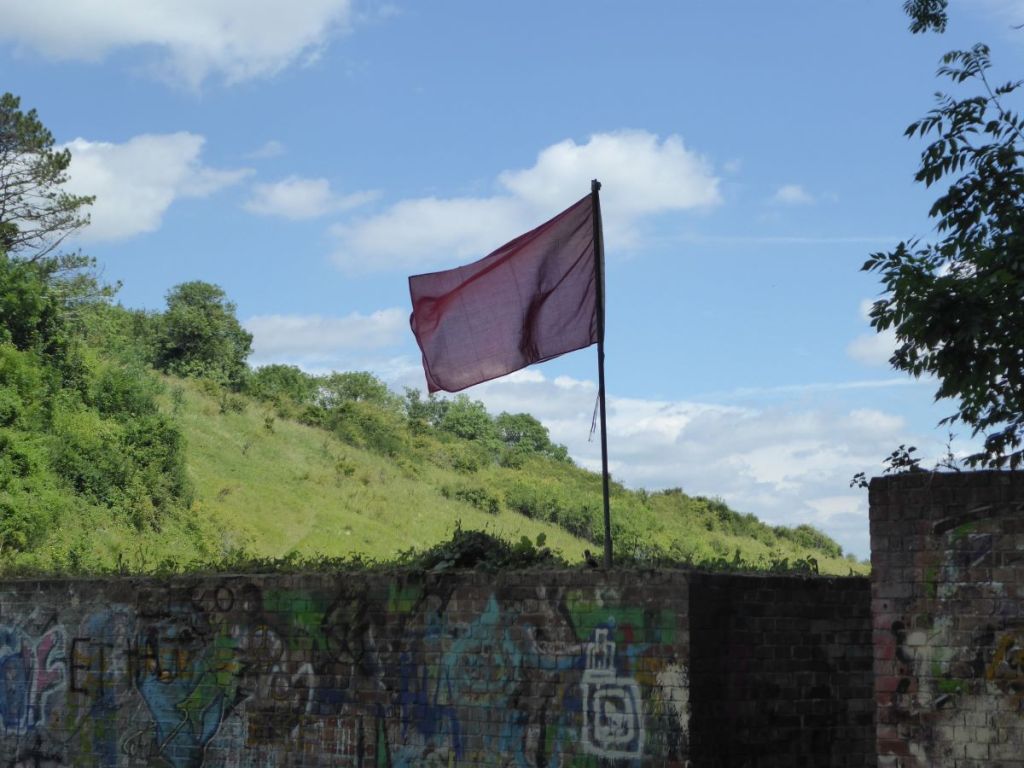
Since 2017 there has been an annual open day event at the rifle range. The event attempts to bring to life the history of the range and how it operated, with the inclusion of two moving target frames (with in-situ targets), deactivated weapons (of the type used on the range), and a collection of other items used on ranges. The event has got a little bigger in the last few years, with some living history, courtesy of Wayne Batchelor and Mark Randall and their excellent collection of equipment, including a Lewis and Vickers machine gun. Romeo the Warhorse even came to visit in 2024, with his owner Anthony. Mike Kelly and Jane Oxley have recently provided sustenance at the event, in the form of First and Second World War style refreshments, as well as interactive art projects for kids.
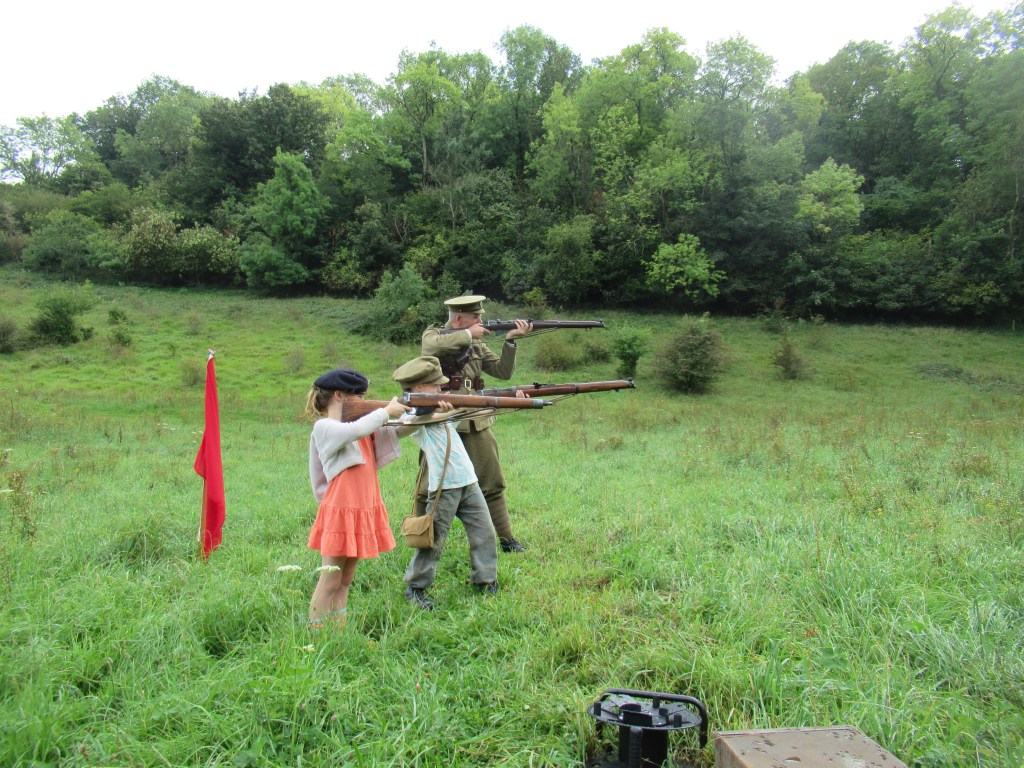
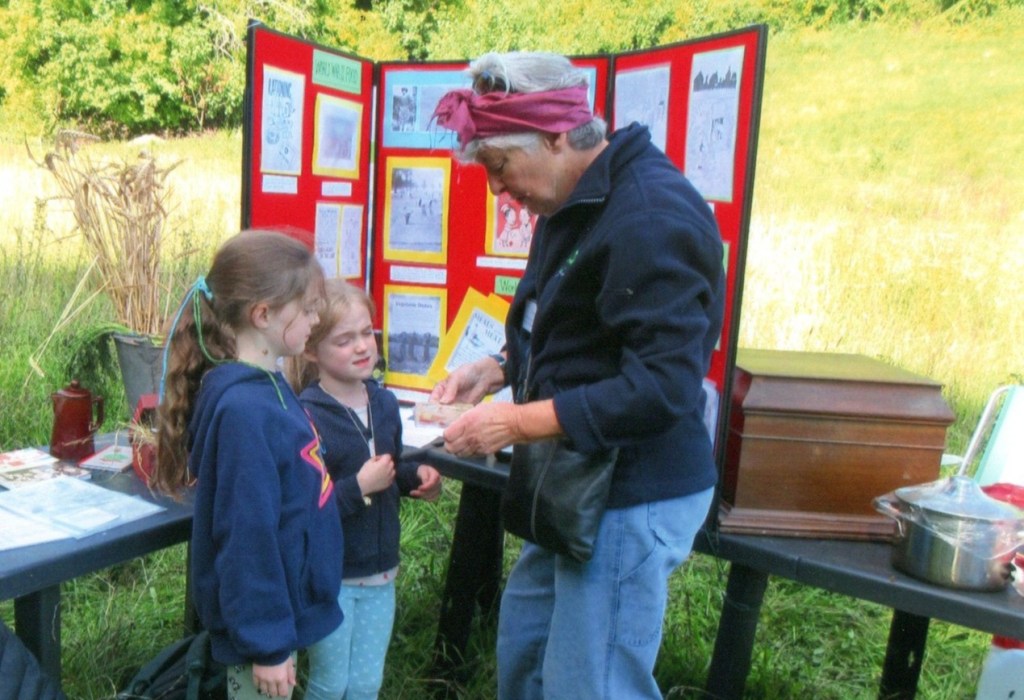
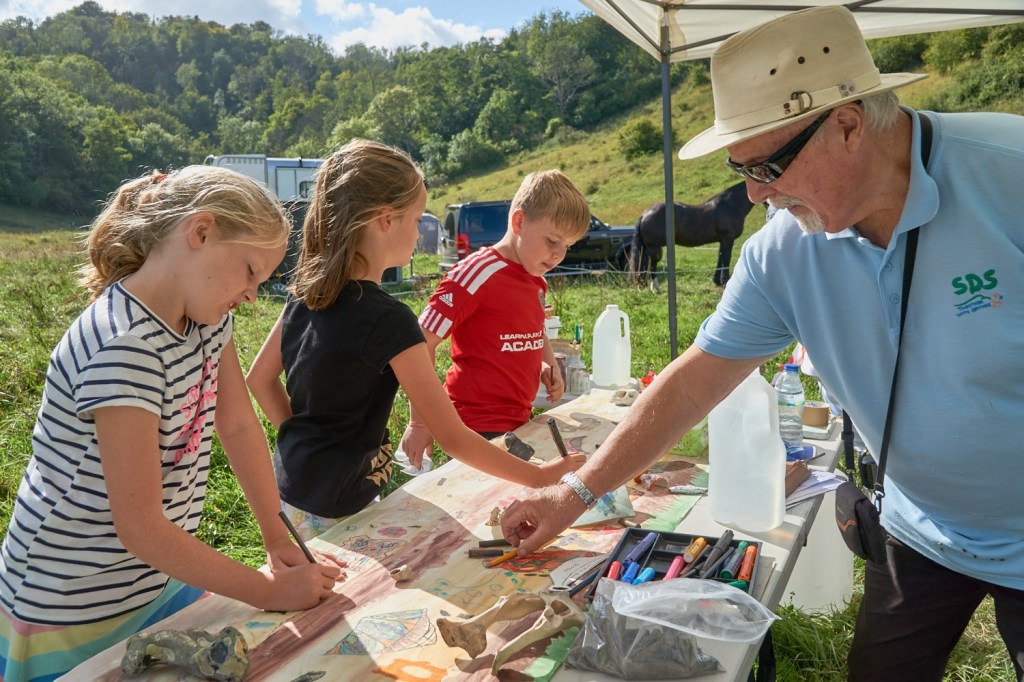
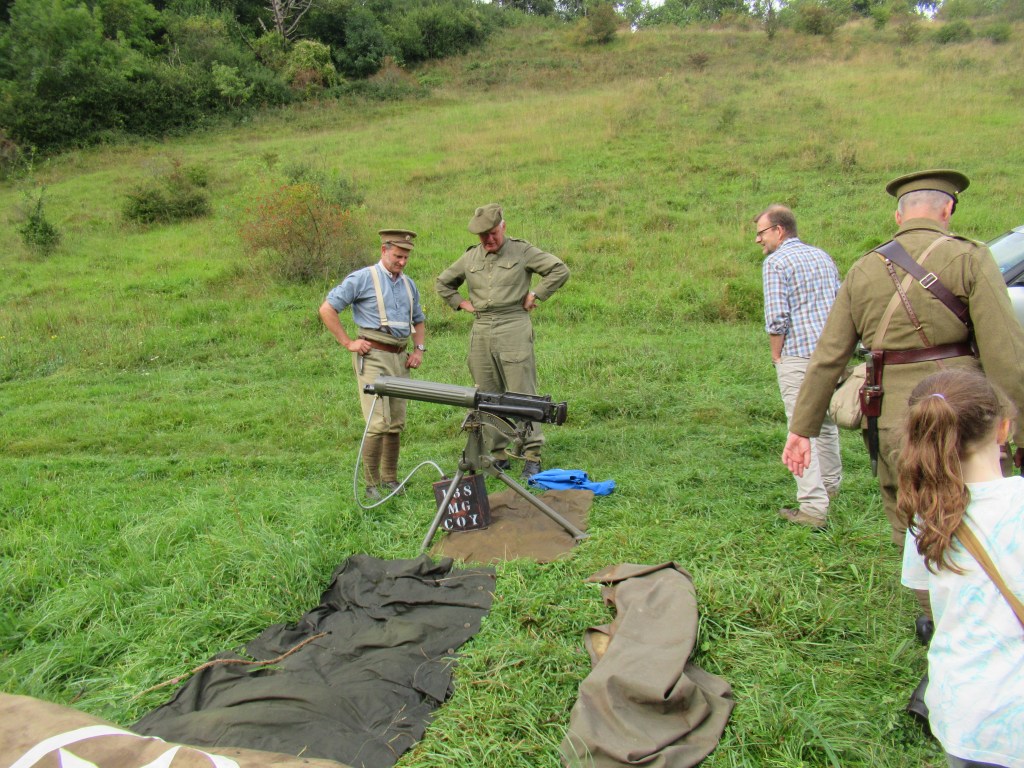
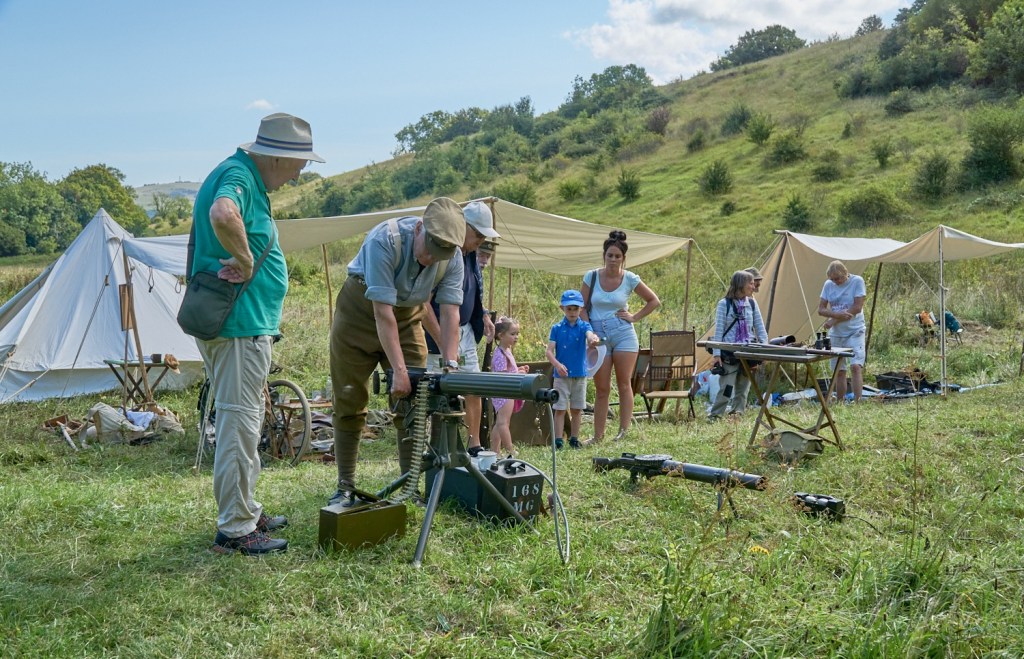
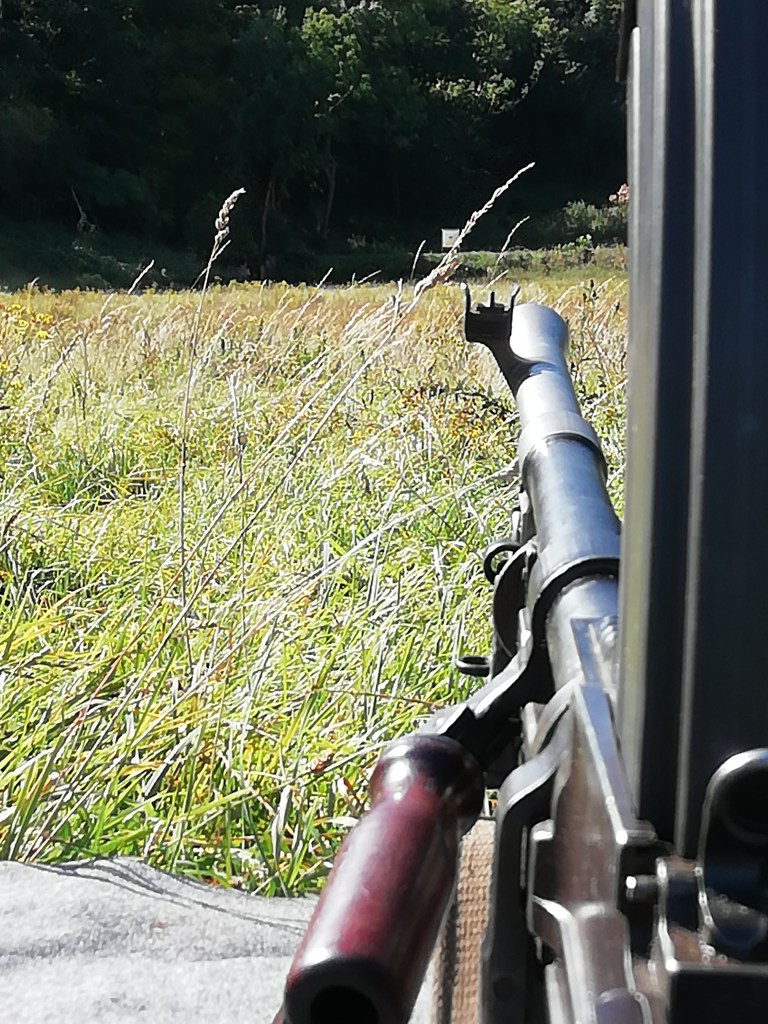
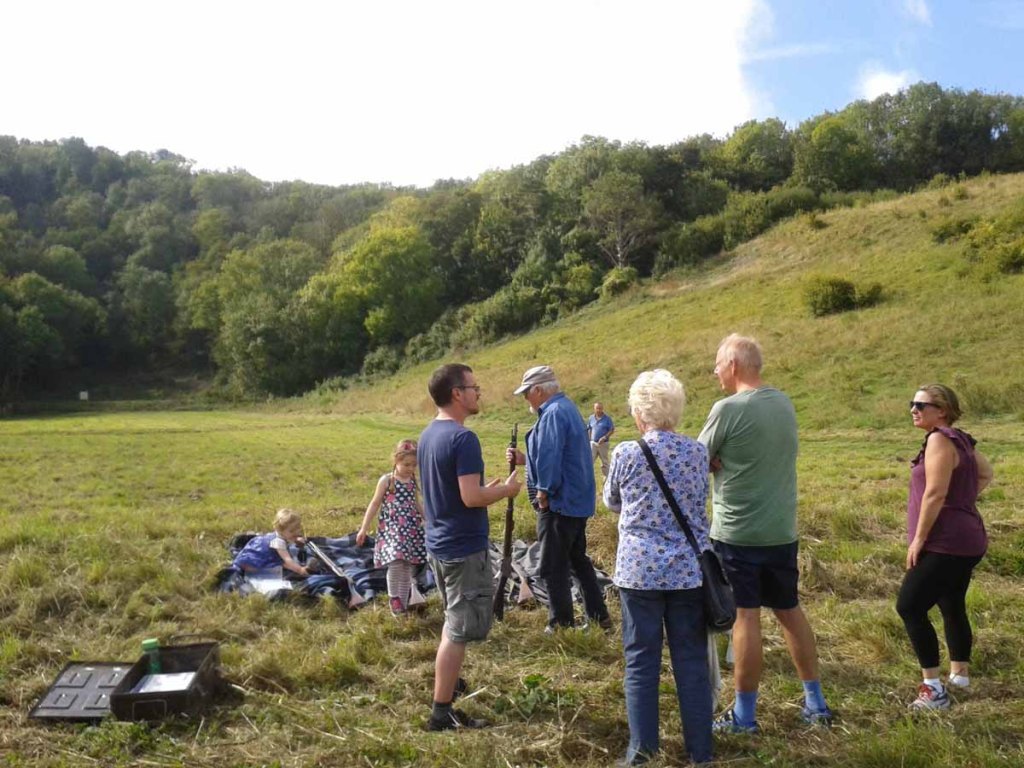
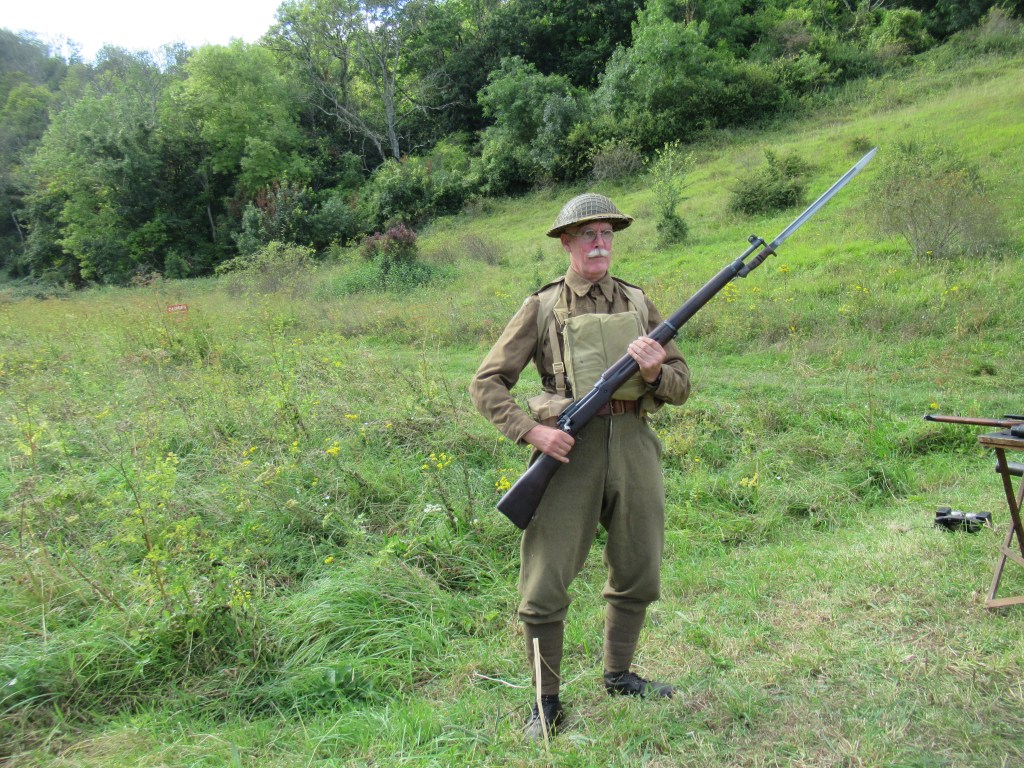
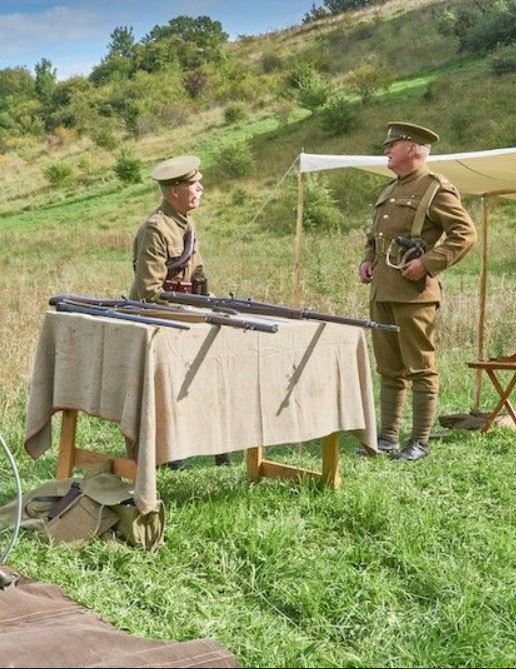
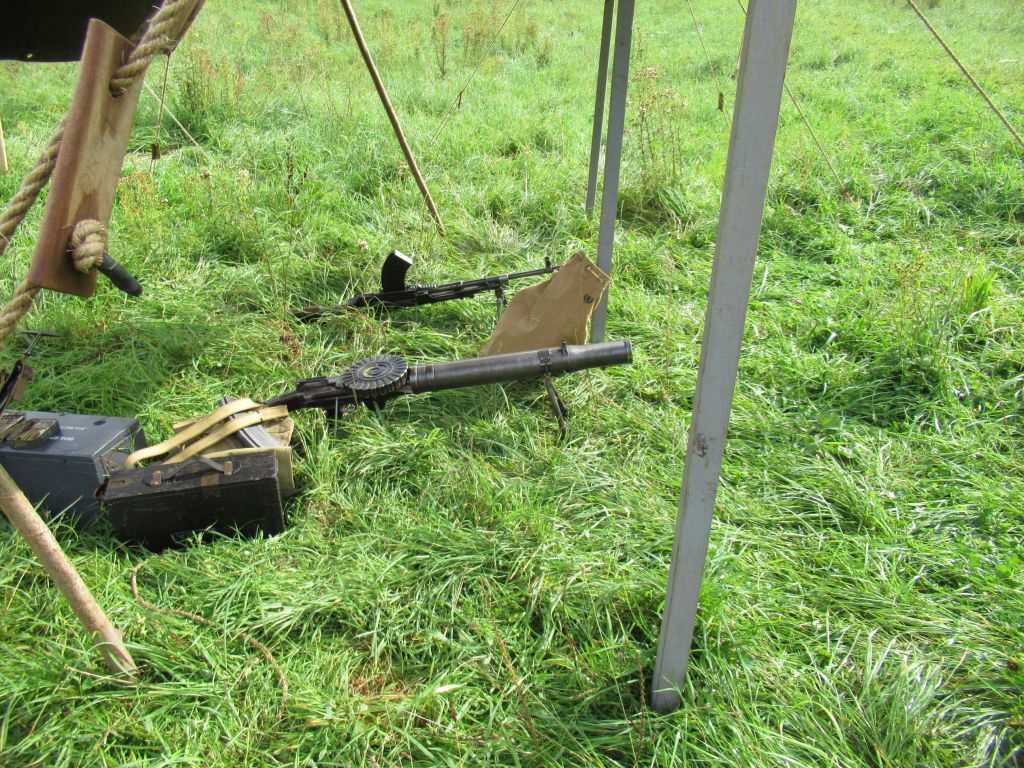
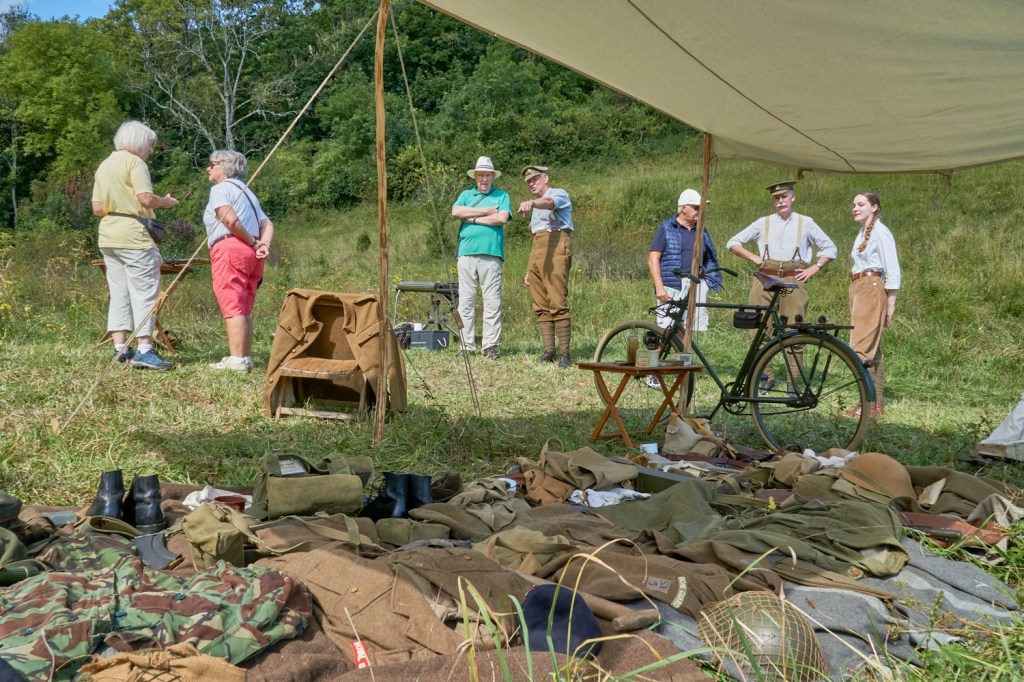
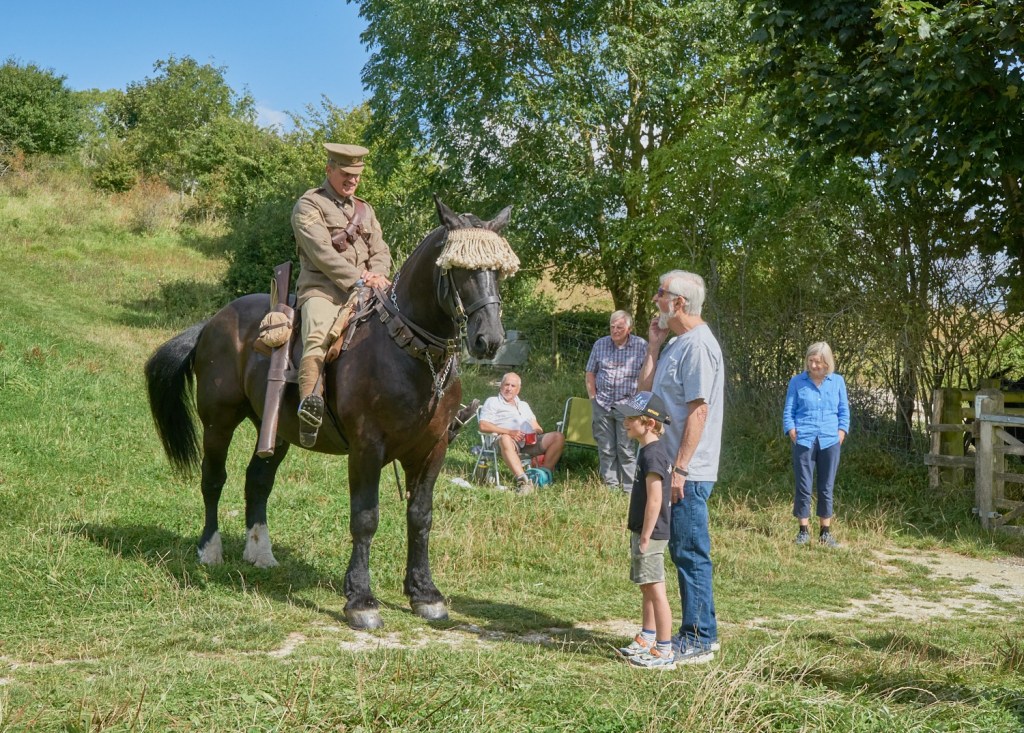
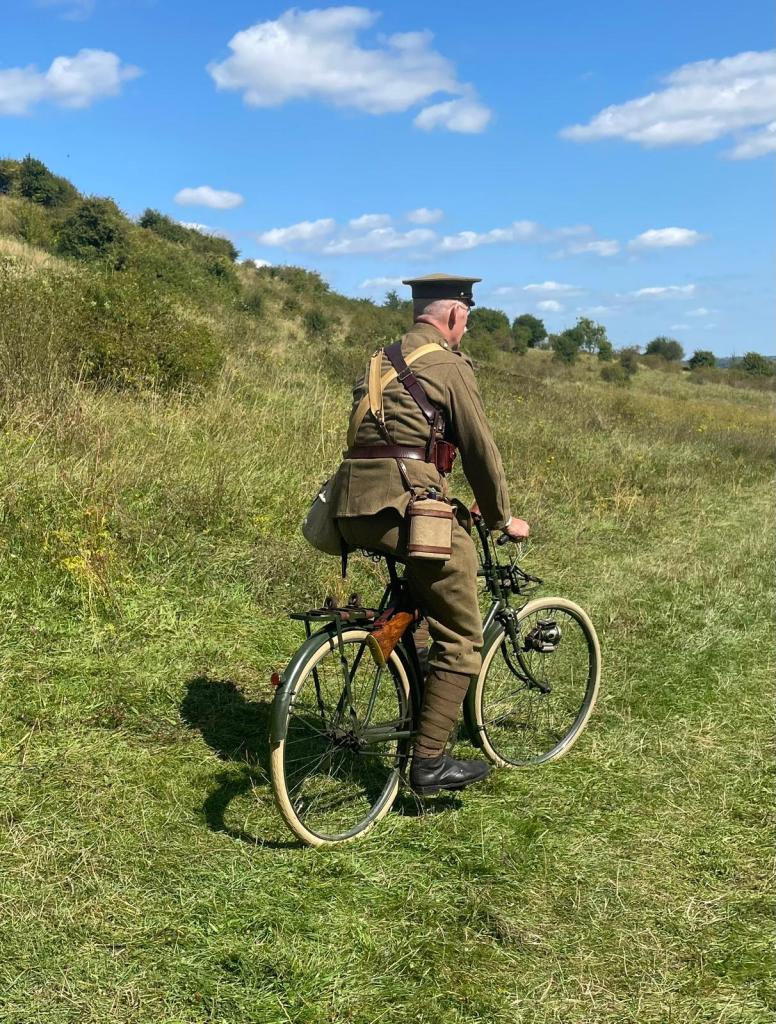
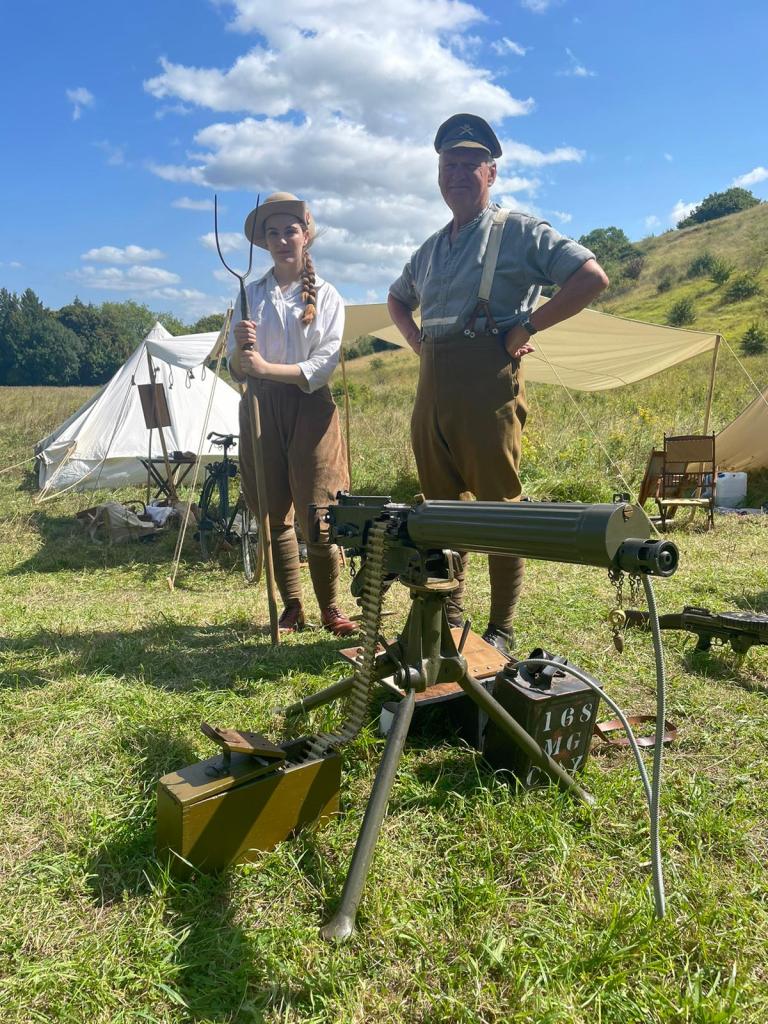
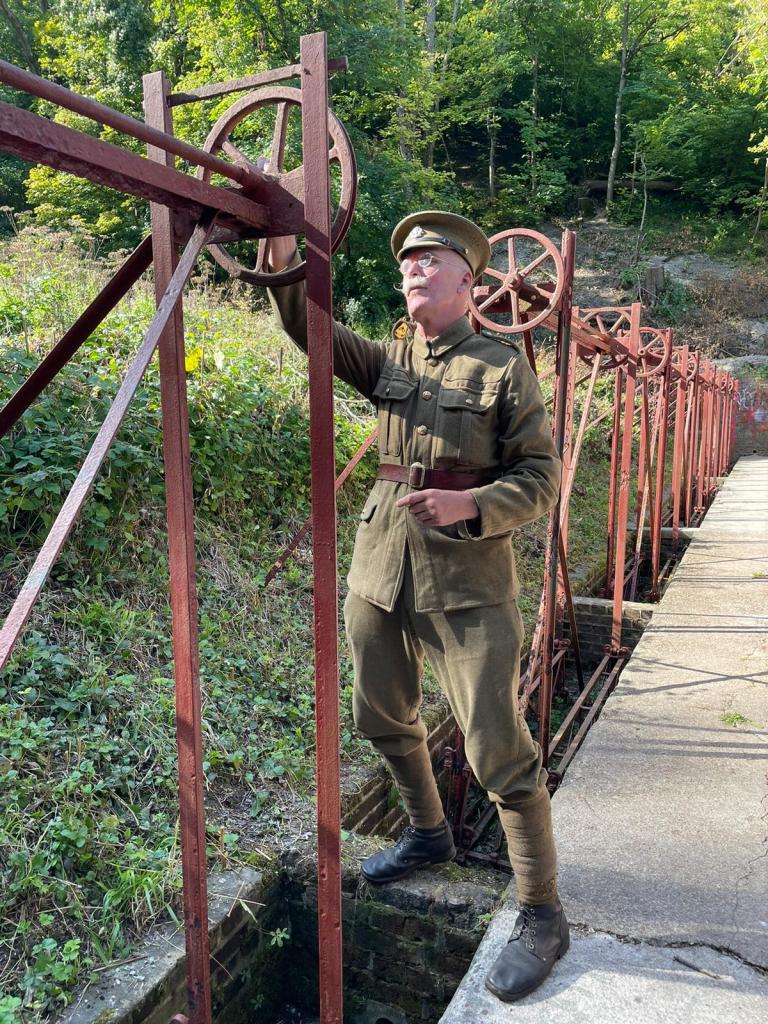
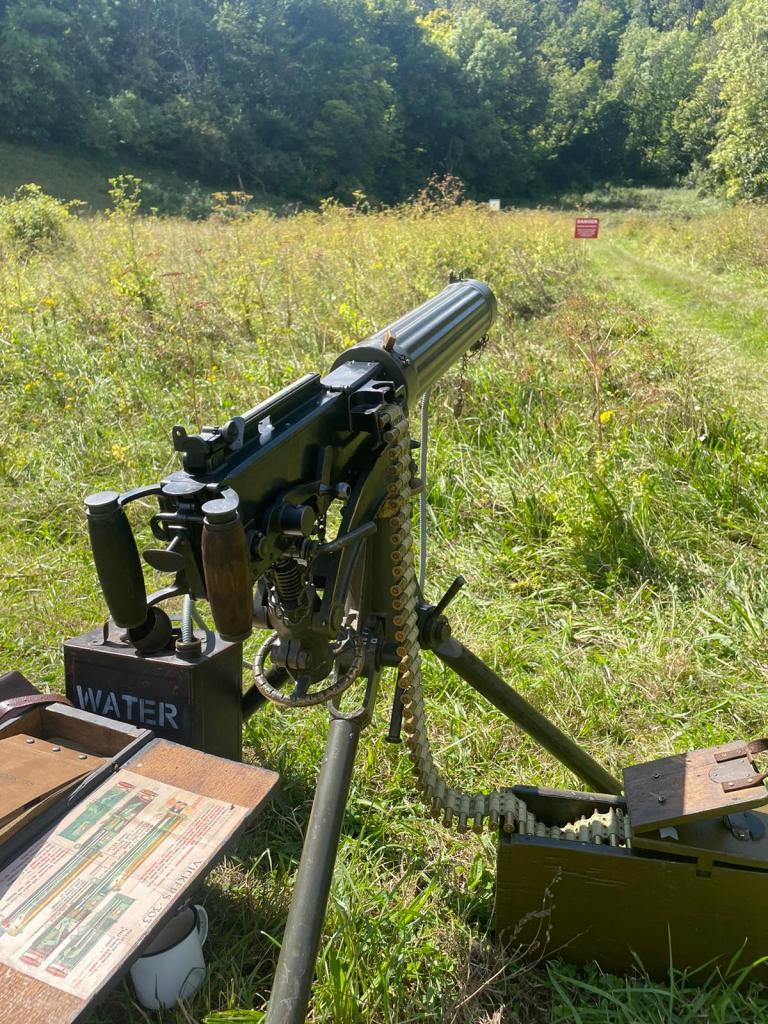
Thanks to Wayne for many of the photographs shown here.
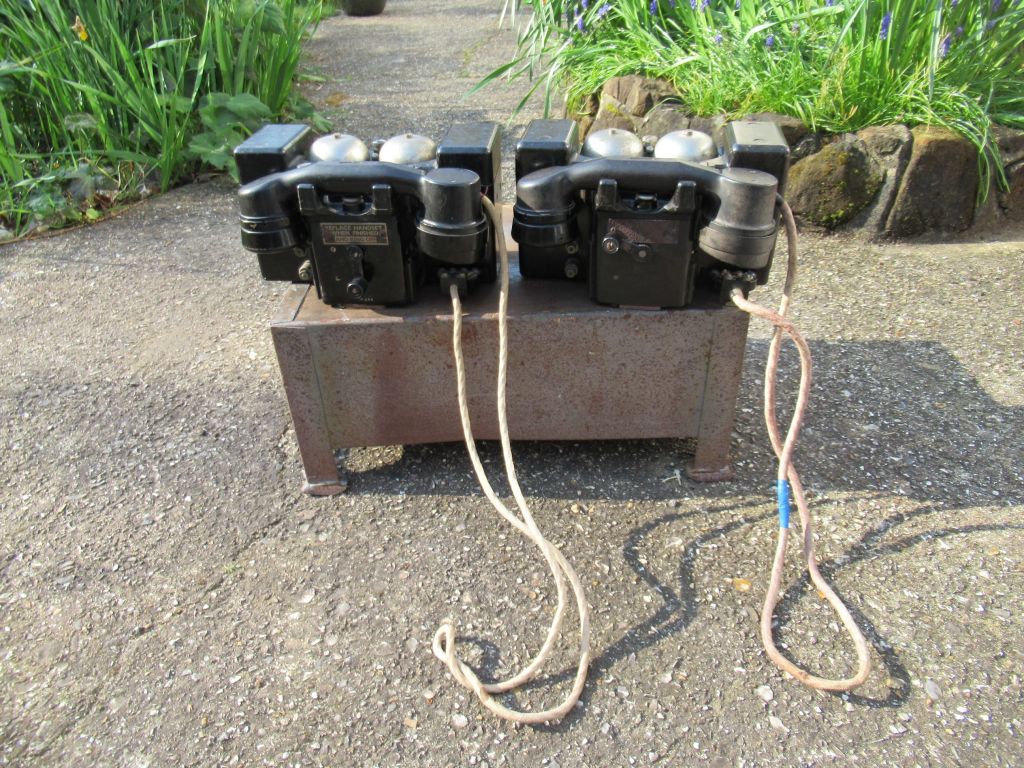
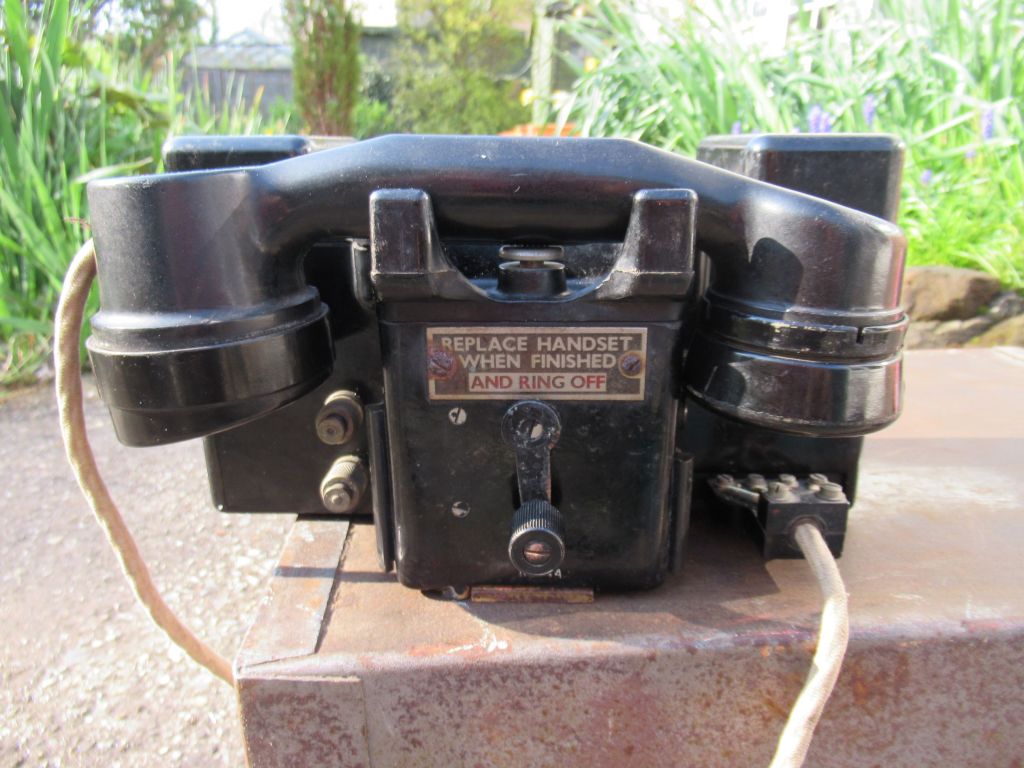
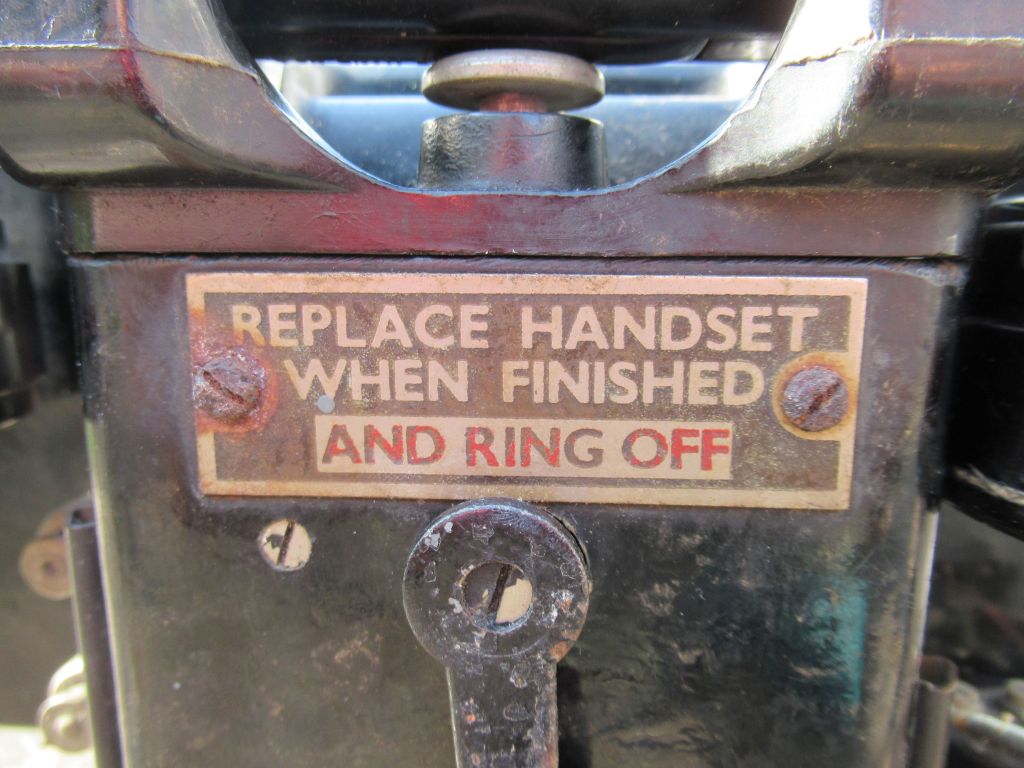
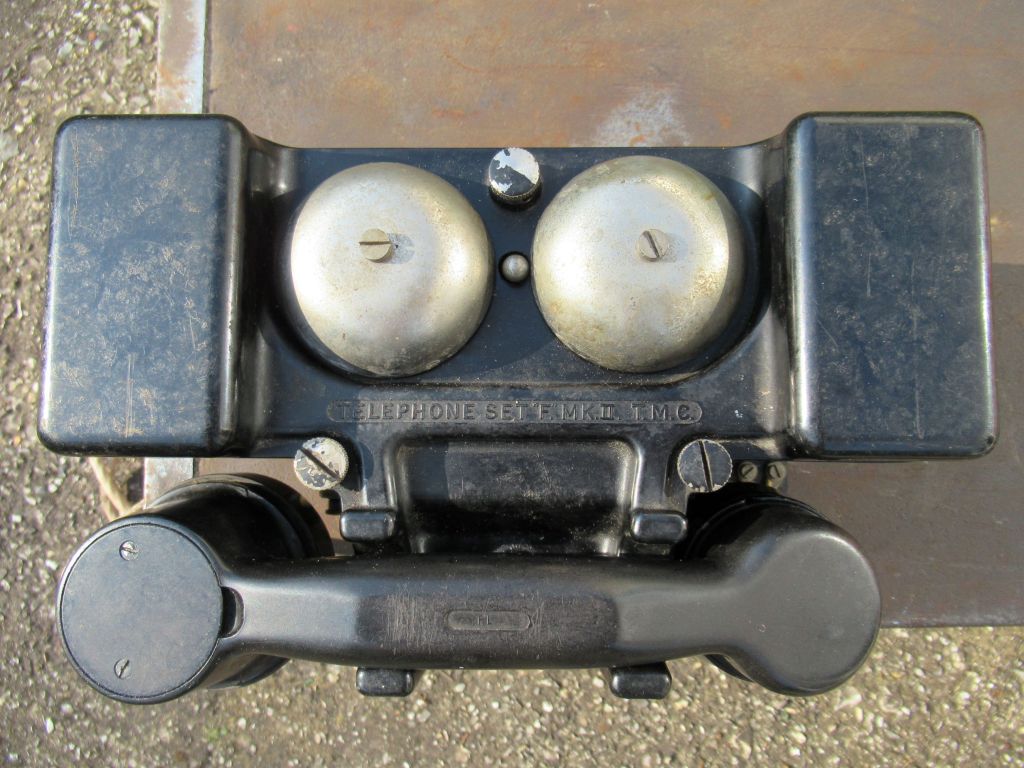
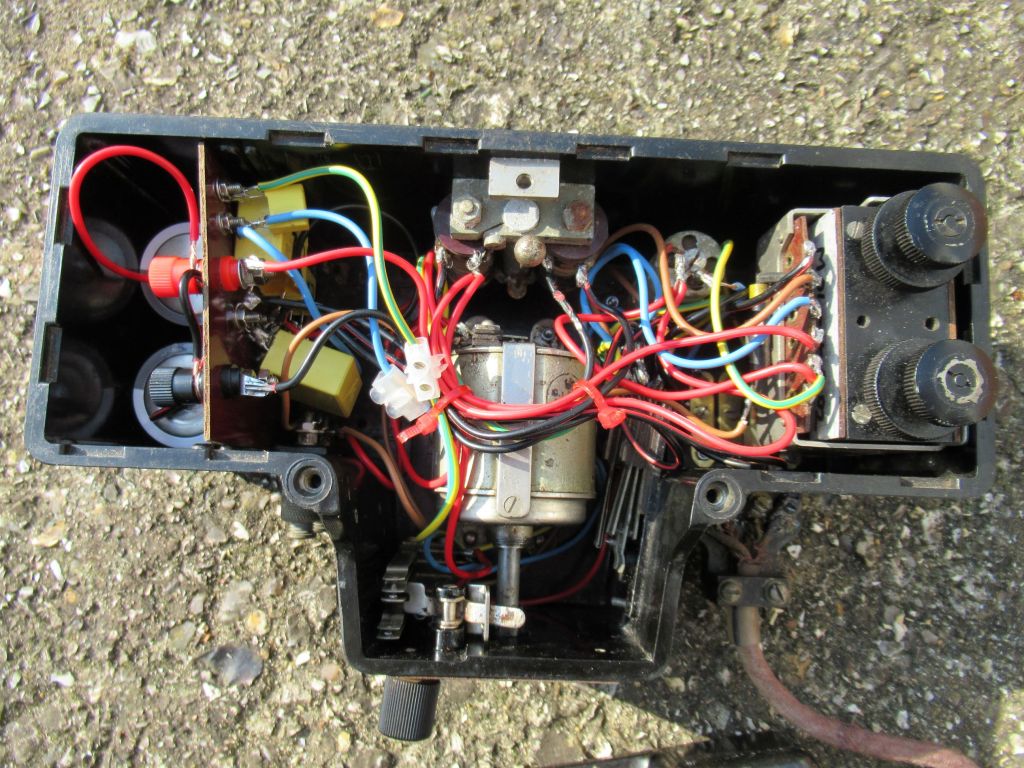
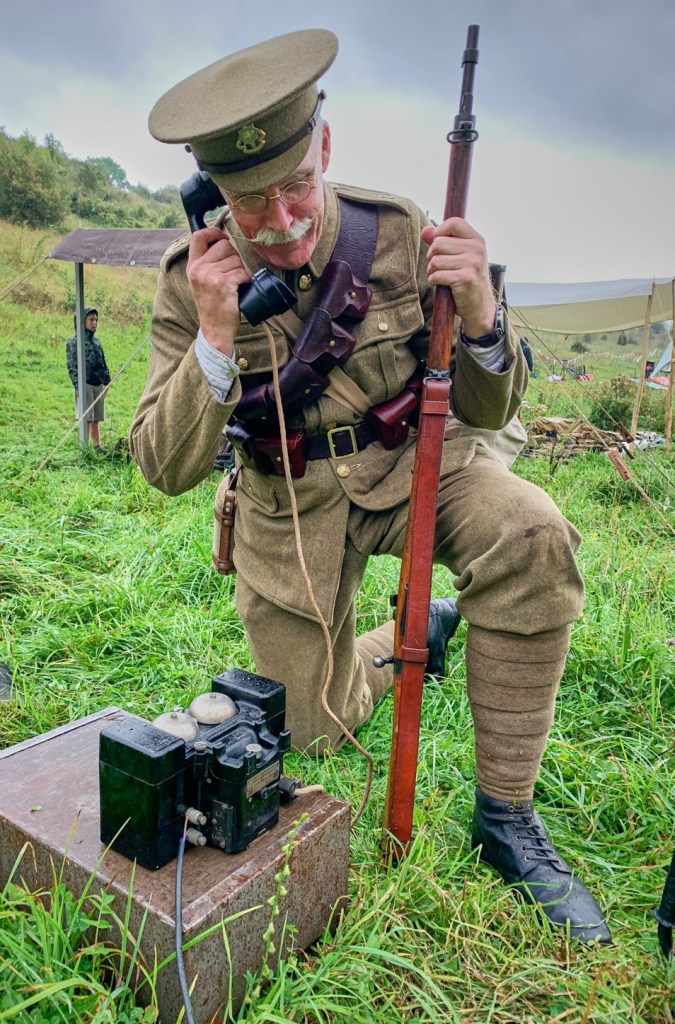
To enhance the spirit of realism for the open days, two Second World War field telephones were sent to the Repair Café for Upper Beeding, Bramber and Steyning (run by Greening Steyning). These were expertly repaired by Adrian Gobat, requiring the replacement of much of the internal wiring. They now function very well and we can connect the 100 yard firing point to the markers’ gallery, via an overground cable.
targets
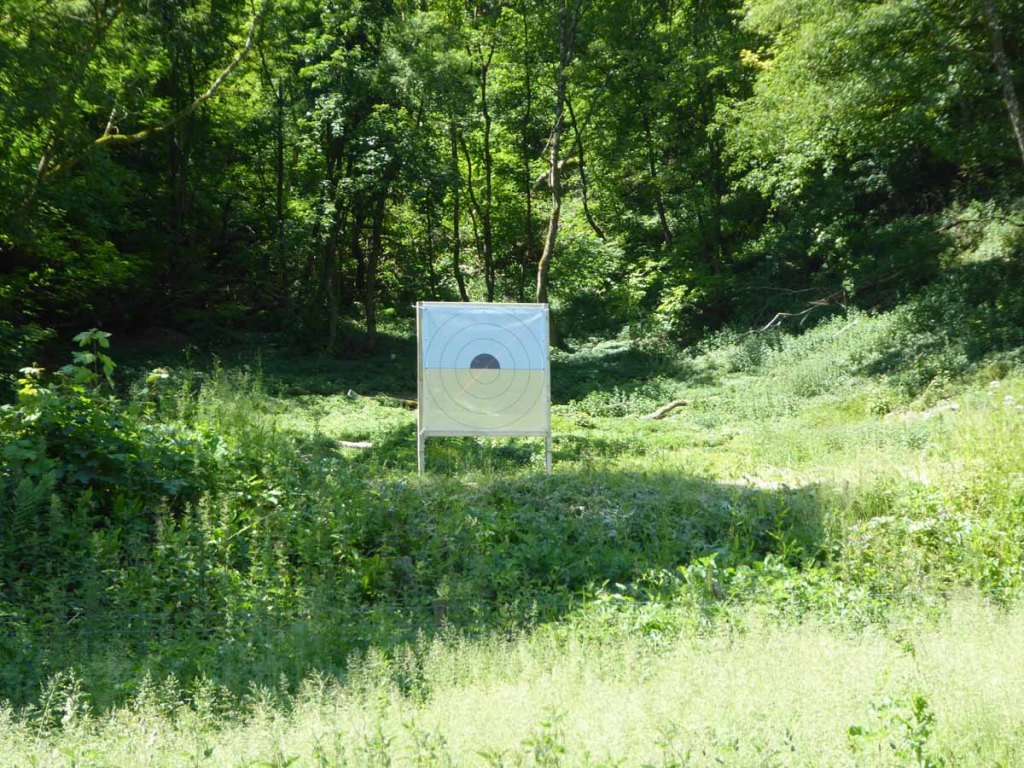
A number of targets have been recreated for the open days (printed onto sheets and mounted onto wooden frames) and these are shown below.

4ft classification target, introduced after the First World War. Unofficially referred to as the ‘tin hat’ target, the black semi-circle representing a tin hat, peeping over the edge of a trench (coloured yellow) against a blue sky.

6ft classification target, 1920s.

6ft target
Head and shoulders ‘Prone Figure No. 4’, 1910.

1945 head-on tank target, 1945.
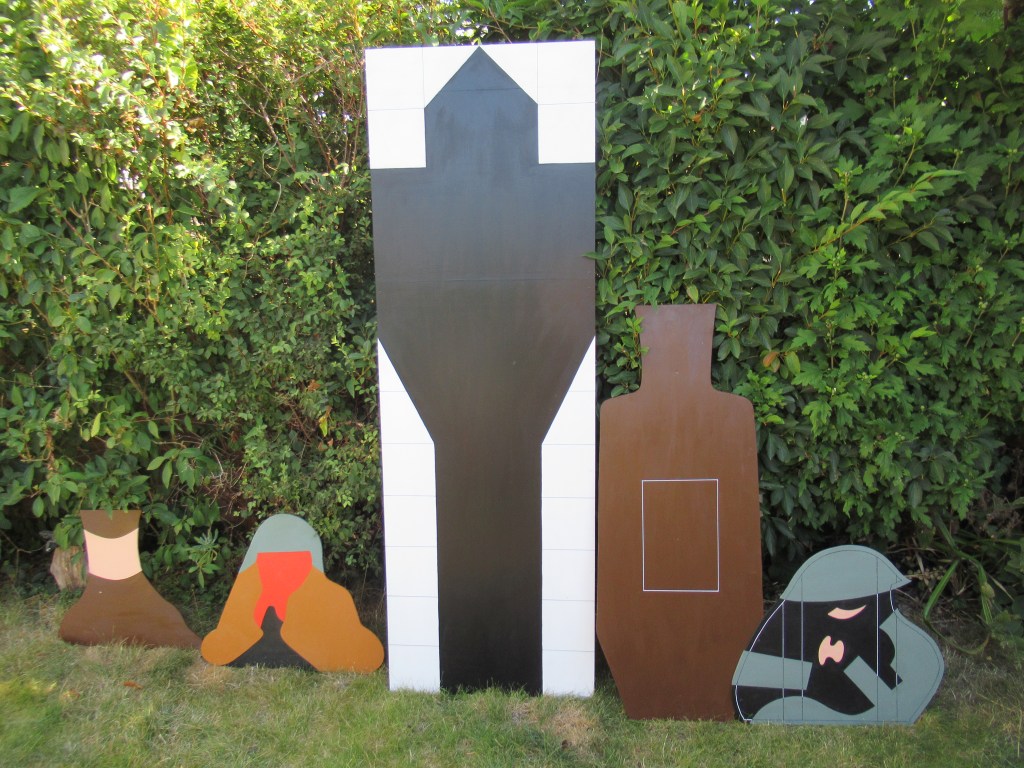
These targets represent designs from a variety of eras. From left to right: 1910 head and shoulders ‘prone figure no. 4′ snap-shooting target; figure no. 4a prone/head and shoulders snap-shooting targets 1945; 1870s figure shape for iron target; figure no. 2 torso target 1910; figure no. 12 prone/head and shoulders snap-shooting target, 1958. Snap shooting targets were fixed to poles, so they could be positioned above the mantlet by markers’ in the gallery, for short periods at a time.
 Steyning Rifle Range