STEYNING MUSEUM collection
The earliest images we have of the rifle range come from the Steyning Museum and we are very grateful to them for allowing us to post them here.
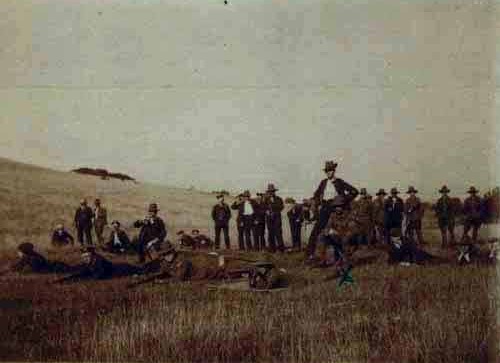
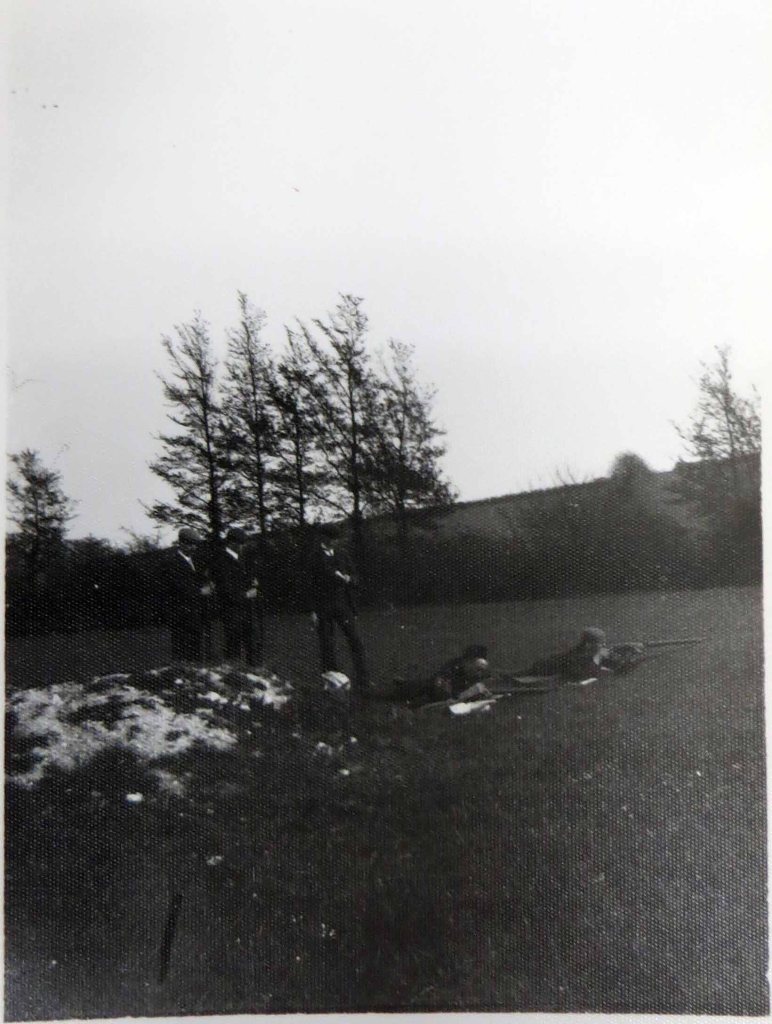
Imperial Sussex Yeomanry at the 200 yard firing point, in the early 1900s. The quality of the image is unfortunately very poor, the original photograph has not been located.
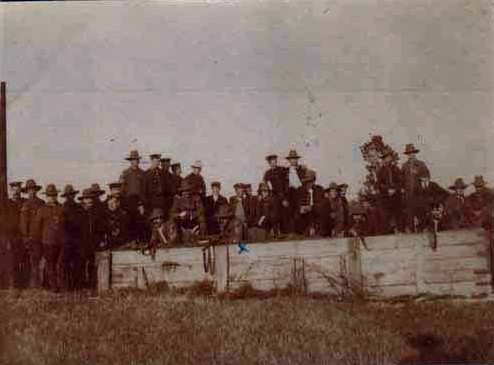
Imperial Sussex Yeomanry at the 500 yard firing point, early 1900s. The distinctive raised platform is clearly evident here. Some of the caps worn in this image are peakless Broderick Hats – these were issued only between 1902-1907, before
being replaced by the Service Dress Cap of the Territorial Force. The quality of the image is unfortunately very poor, the original photograph has not been located.
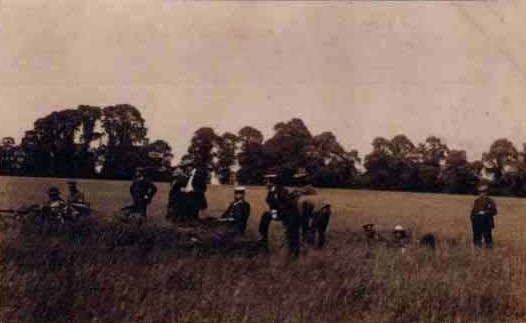
Rifle Volunteers at the 600 yard firing point, early 1900s. The poor quality of the image is unfortunate, original image has not been located.
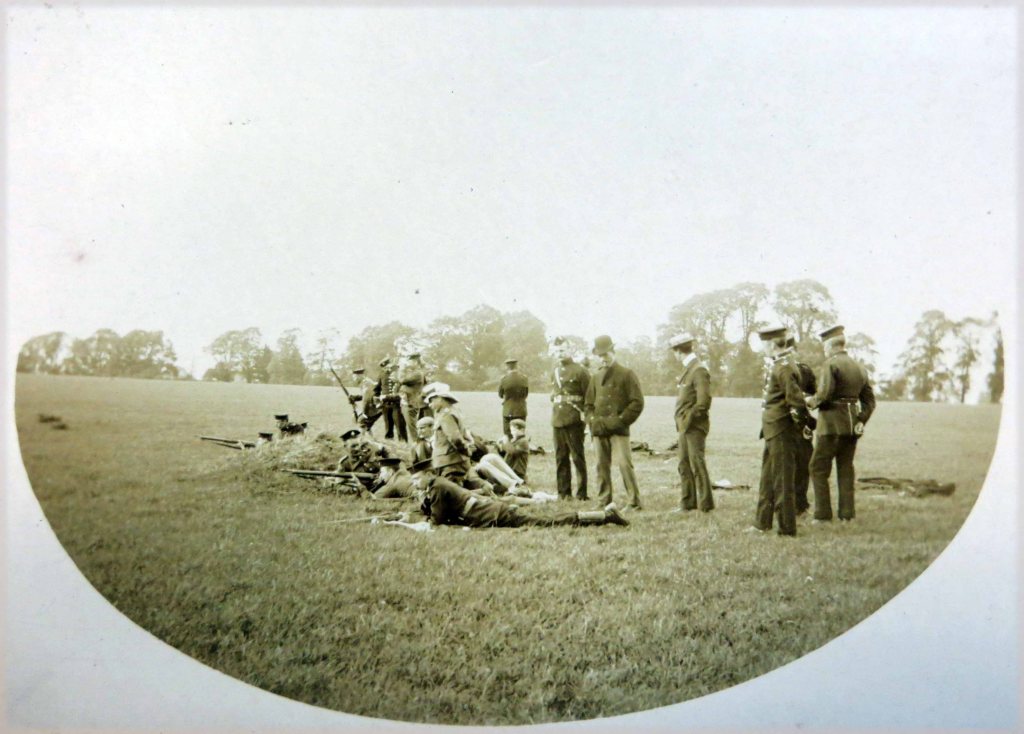
Another view of the 600 yard firing point, with Rifle Volunteers firing prone using Lee Metford or Lee Enfield rifles, early 1900s. Note they are not using the firing bank.
A small shooting party at the 600 yard firing point, early 1900s. One man is possibly in uniform.
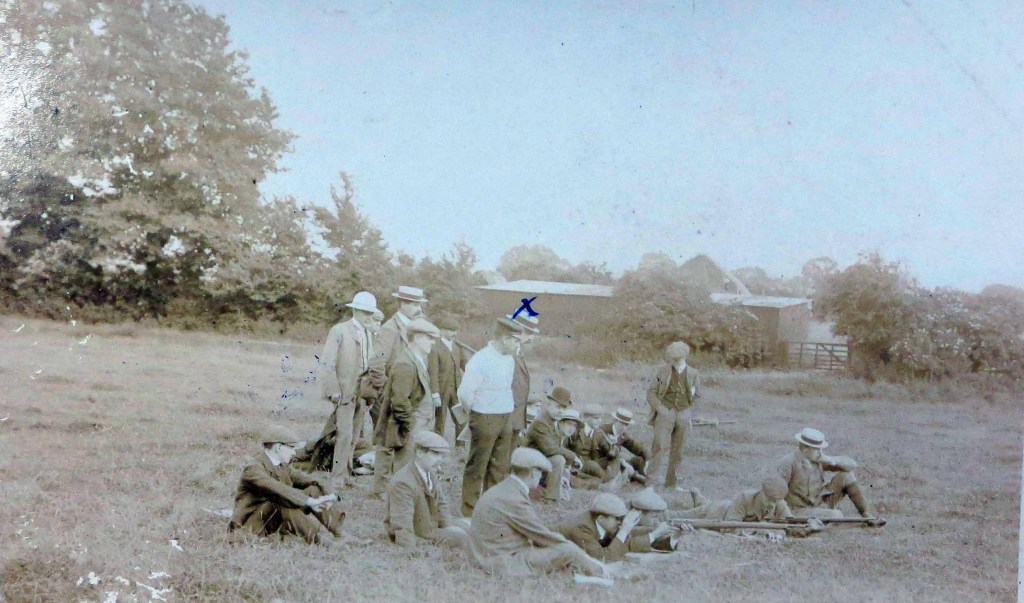
This image is noted on the rear as being taken on the Steyning rifle range and appears to be in the region of the 800 yard firing point, early 1900s. As none of the men are in unform, it would seem they are the local rifle club, many of whom could also serve in the Volunteer or Territorial Force.
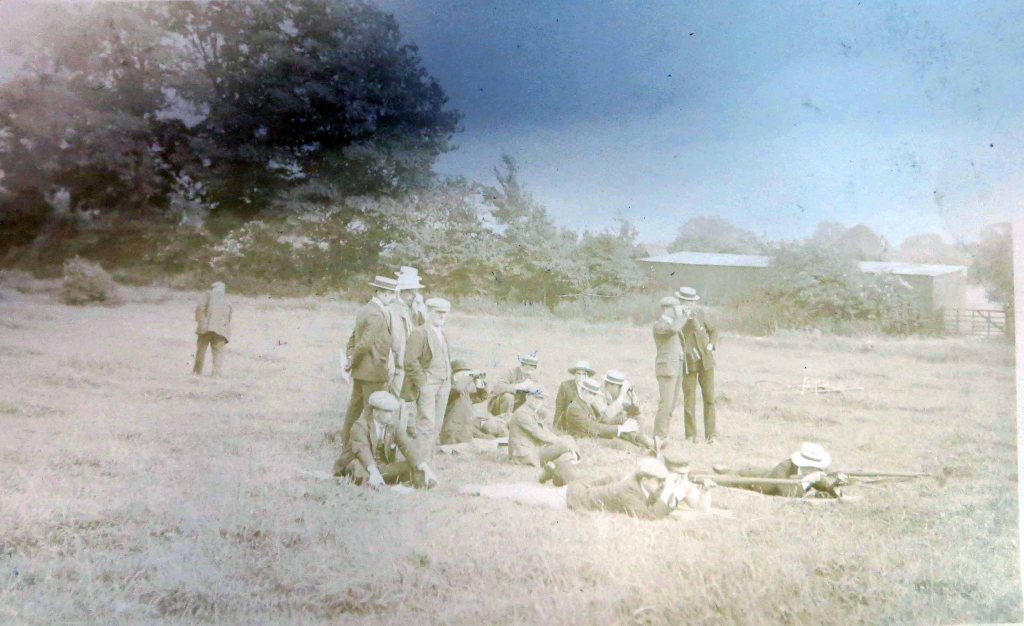
Another view taken on the same day as the image above.
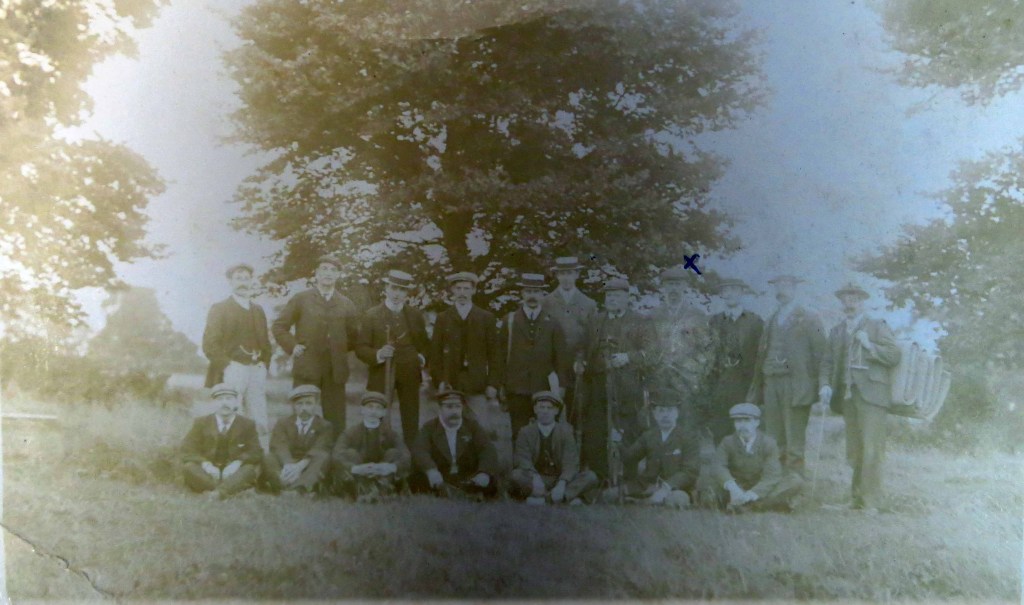
The men of the previous two images, posing for a group photograph, somewhere in the region of the 800 yard firing point.
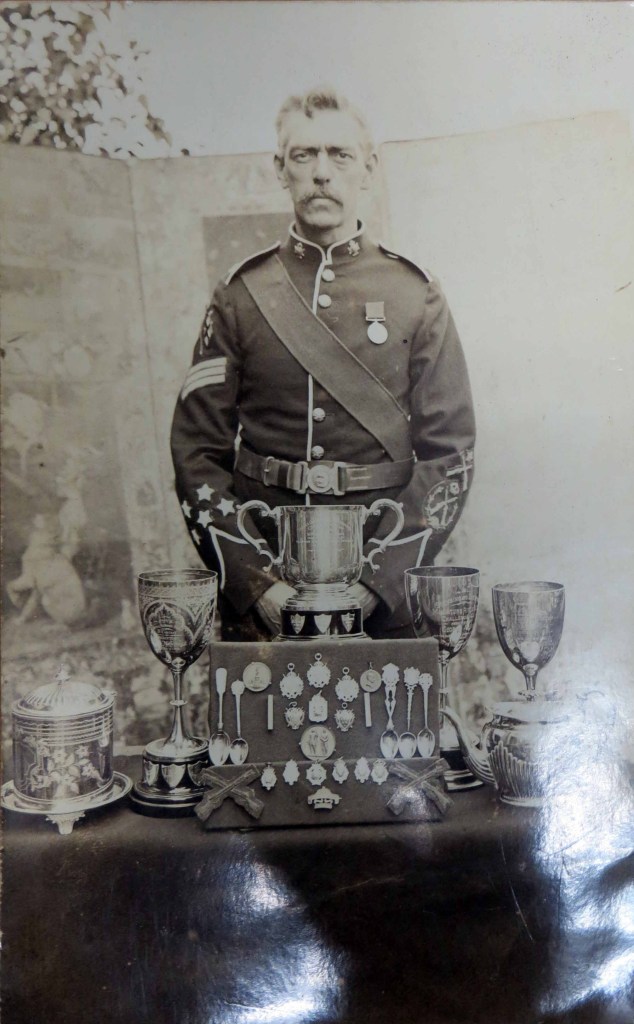
Charles Ambrose Woolgar (private 1892, corporal in 1898, sergeant in 1906), with his numerous trophies for shooting. Resident of Steyning and member of the Volunteer Force, he is visible in some of the photographs above.
postcards
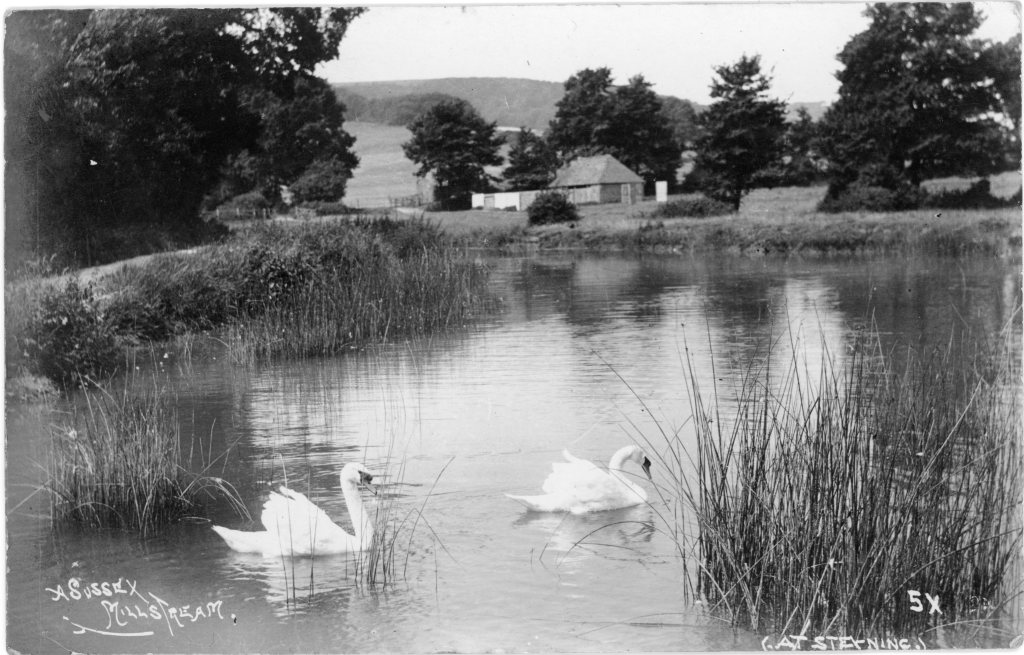
Looking across one of the mill ponds to the 800 yard firing point, just beyond the gate visible between the trees. The structure is possibly range related (located east of the furthest firing point) and there are two danger signs visible to the right of it. Circa First World War.
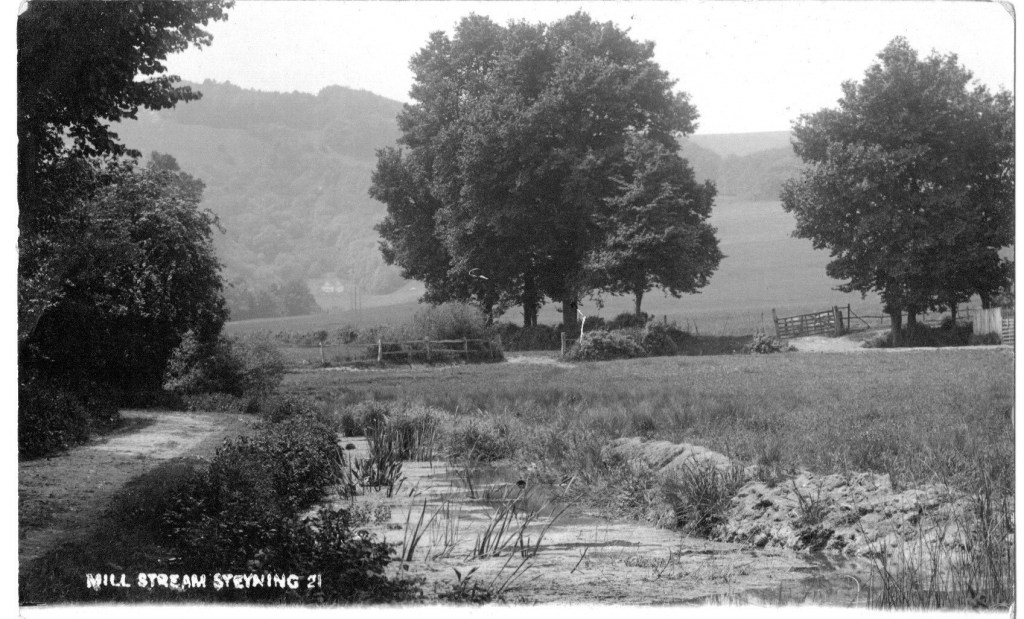
The 800 yard firing point is near the gate on the right. The target area is visible with two white marks, indicating bullet strike areas in the backstop. Circa First World War. With thanks to Paul Day for this image.
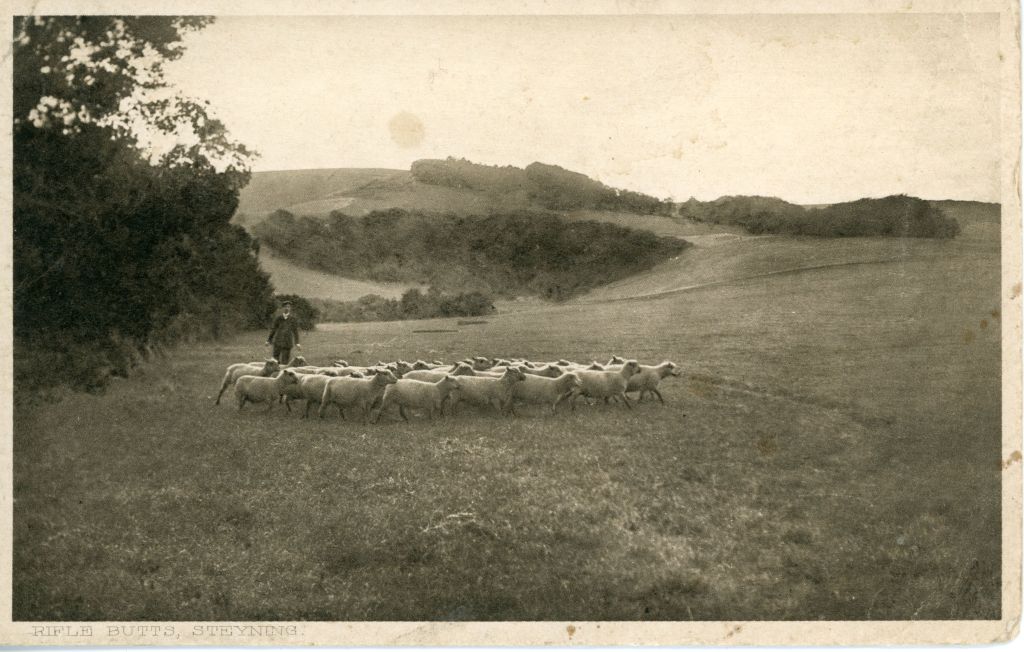
‘The Rifle Butts, Steyning’. Looking west towards the targets, from the 800 yard firing point, the 700 and 600 yard firing points visible above the sheep. Early 1900s.
STEVE HANDERER collection
Steve has generously supplied these images from his own collection and we are very grateful to him for allowing them to be shown here.
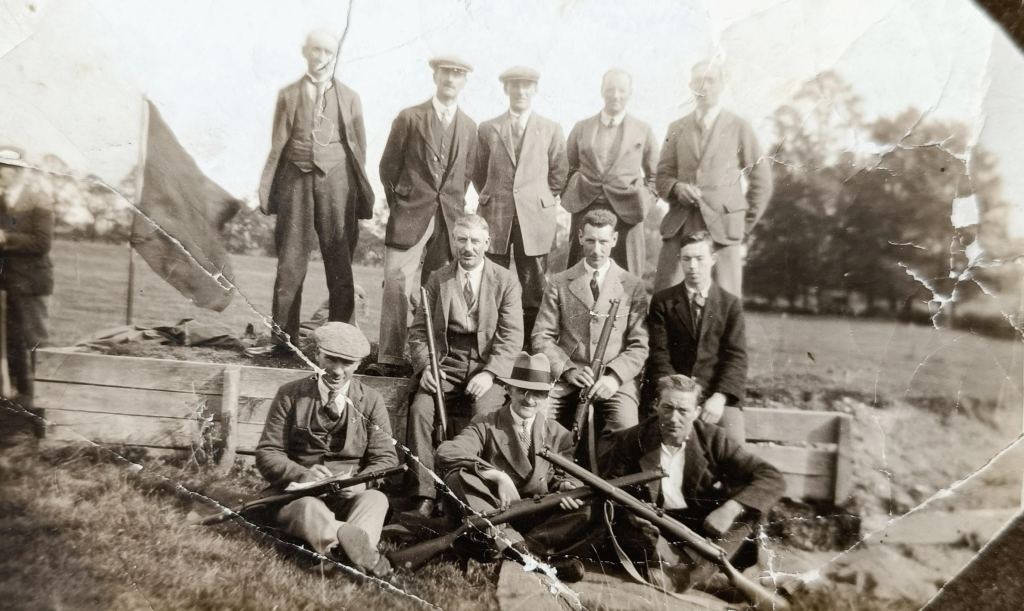
This image shows the Steyning Home Guard at the 300 yard firing point (noted the stepped lower firing platform). Steve’s grandfather is front right.
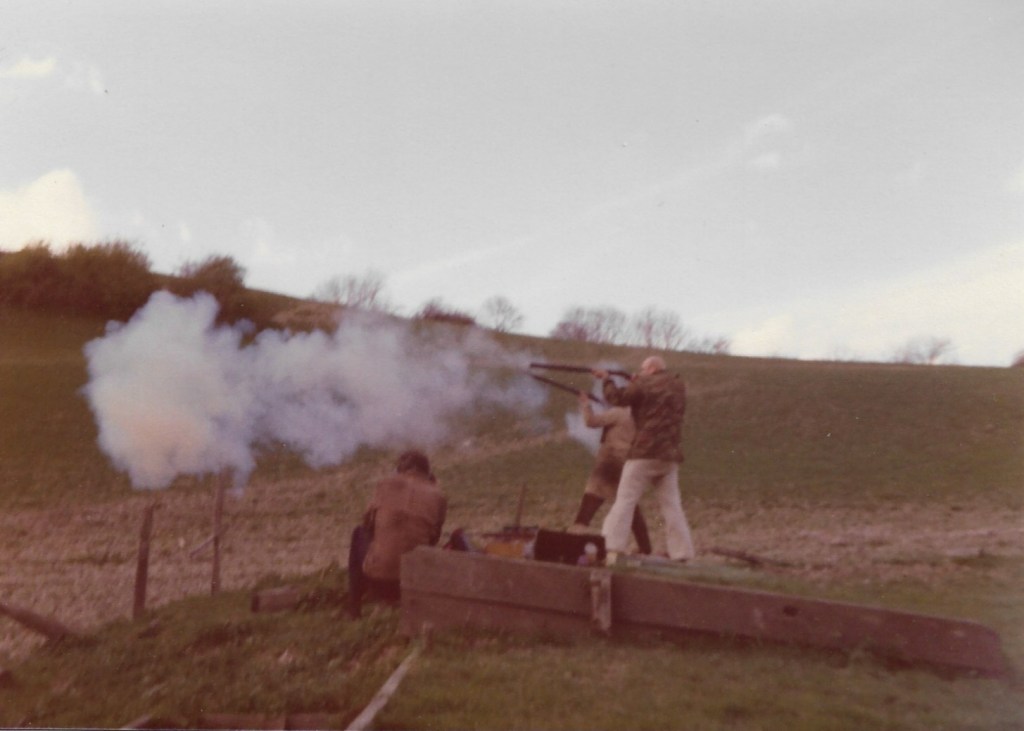
The 300 yard firing point, showing the upper platform in the 1980s. Just visible in the far left bottom is the edge of a fire trench.
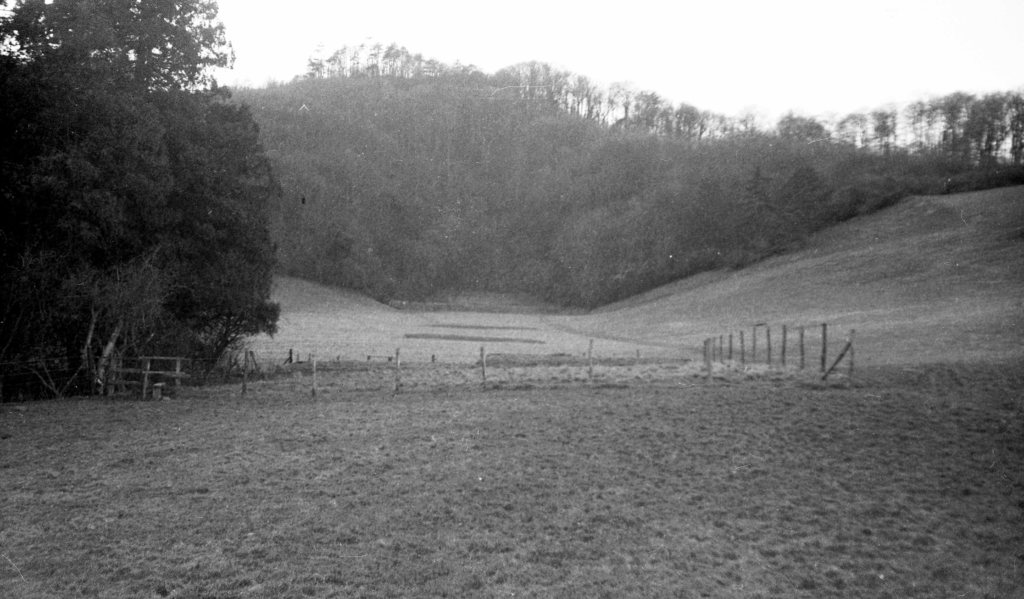
300 yard firing point, looking west towards the targets, early 1980s.
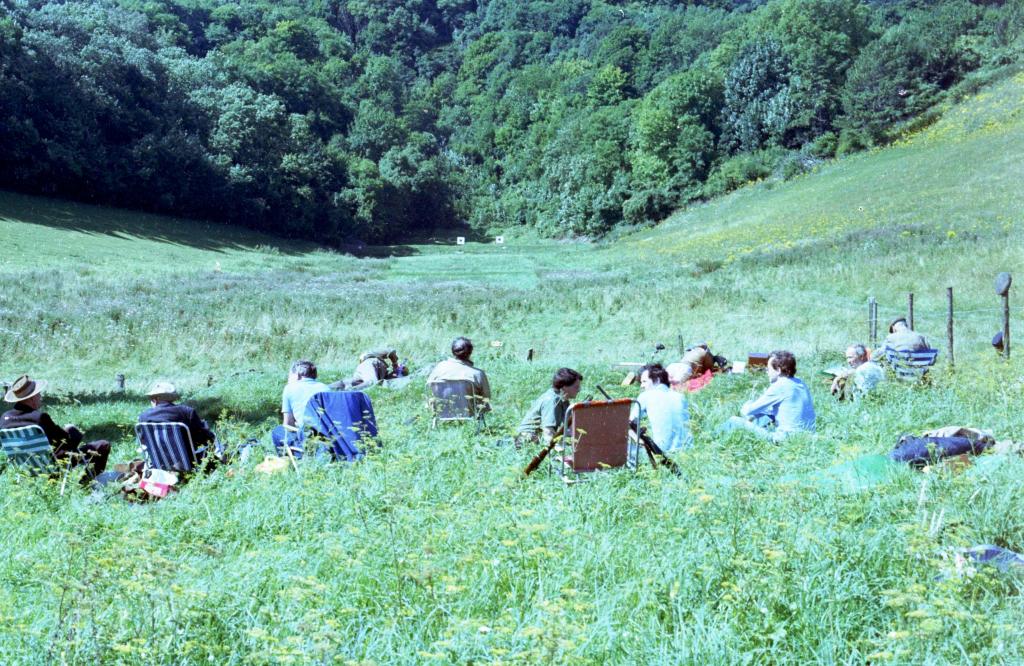
300 yard firing point looking towards the targets showing the relaxed nature of the event. The stepped firing point is just visible. 1980s
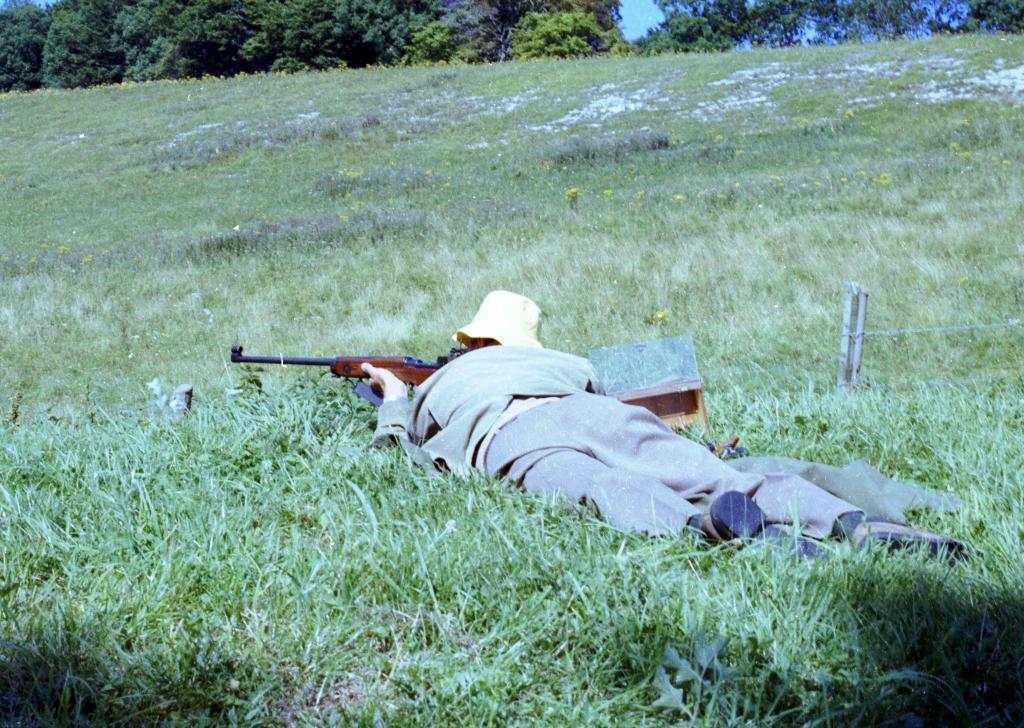
300 yards, prone firing, 1980s.
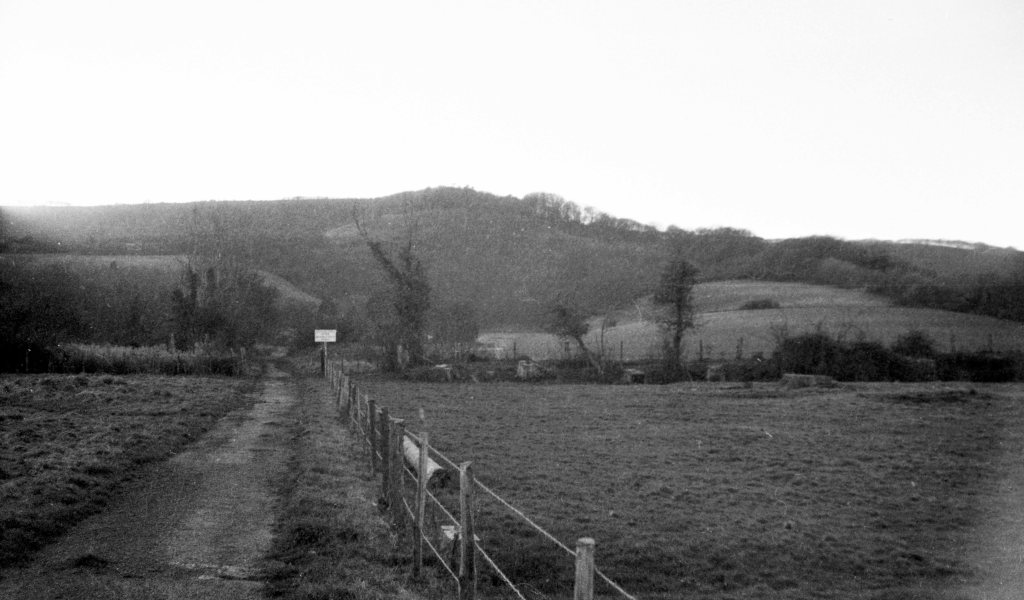
The track from Mouse Lane, known locally as Nightingale Lane, showing the site of the former structure just east of 800 yards and a danger sign, 1980s.
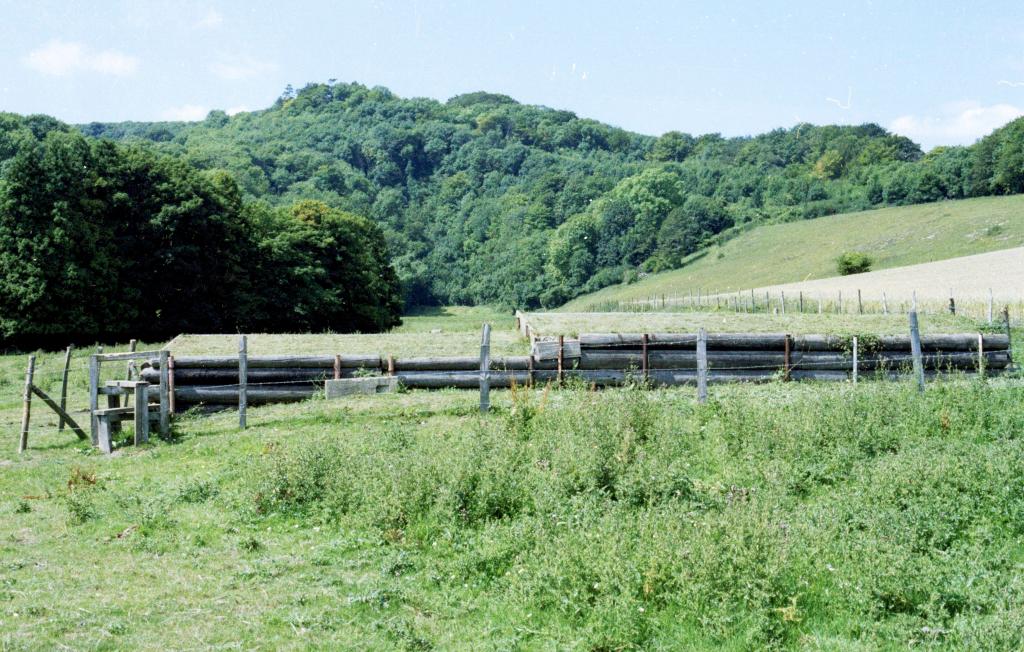
500 yard firing point, freshly reconstructed using telegraph poles, 1980s.
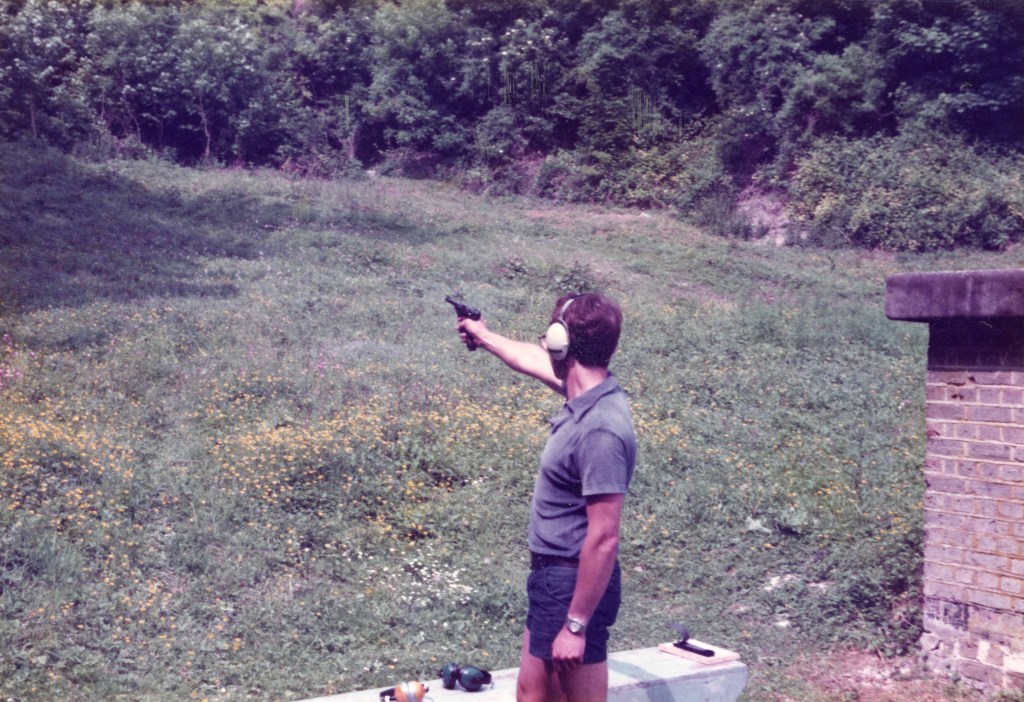
Steve shooting with a Luger into the backstop, 1980s.
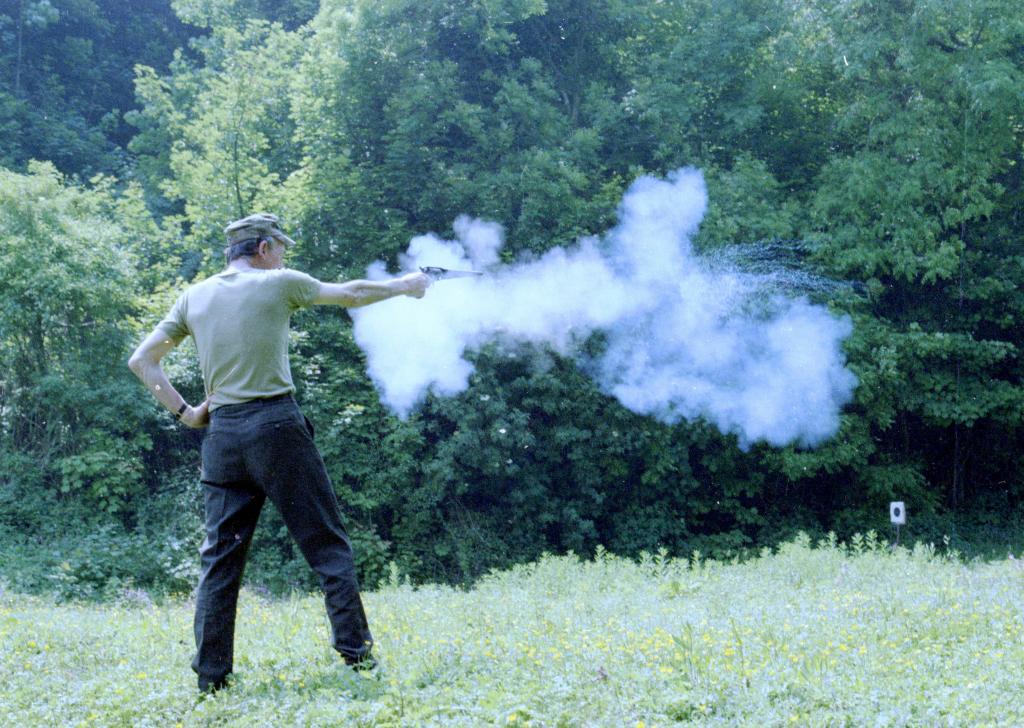
Revolver shooting, at 25 yards, 1980s.
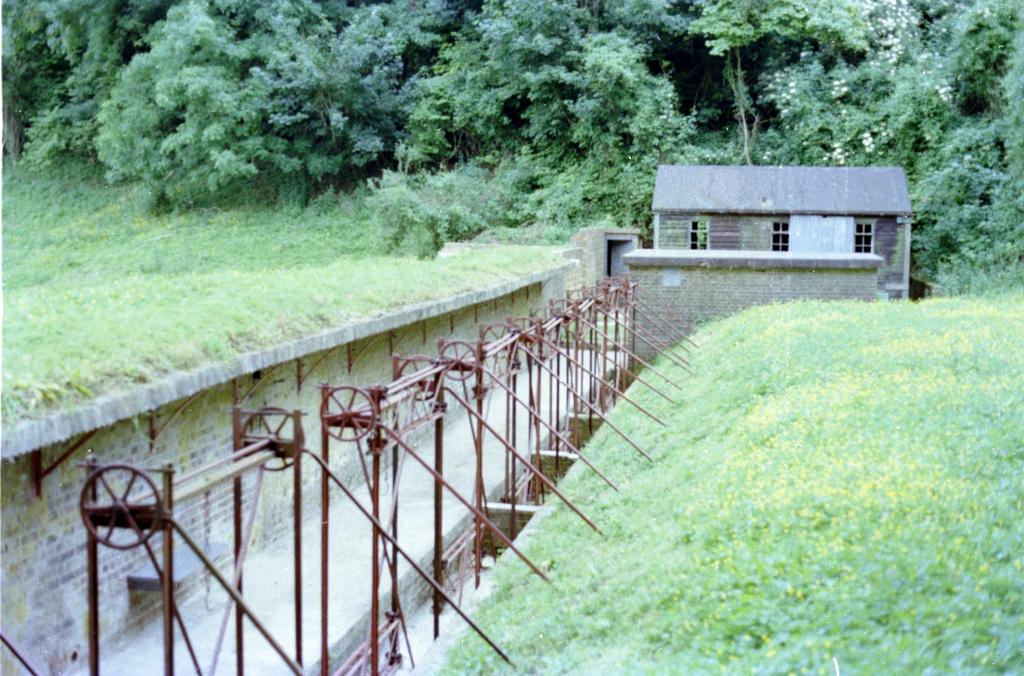
The markers’ gallery, target store and workshop, after being tidied up in the 1980s. One of the few photographs showing the workshop extant. Note the bench in the markers’ gallery wall.
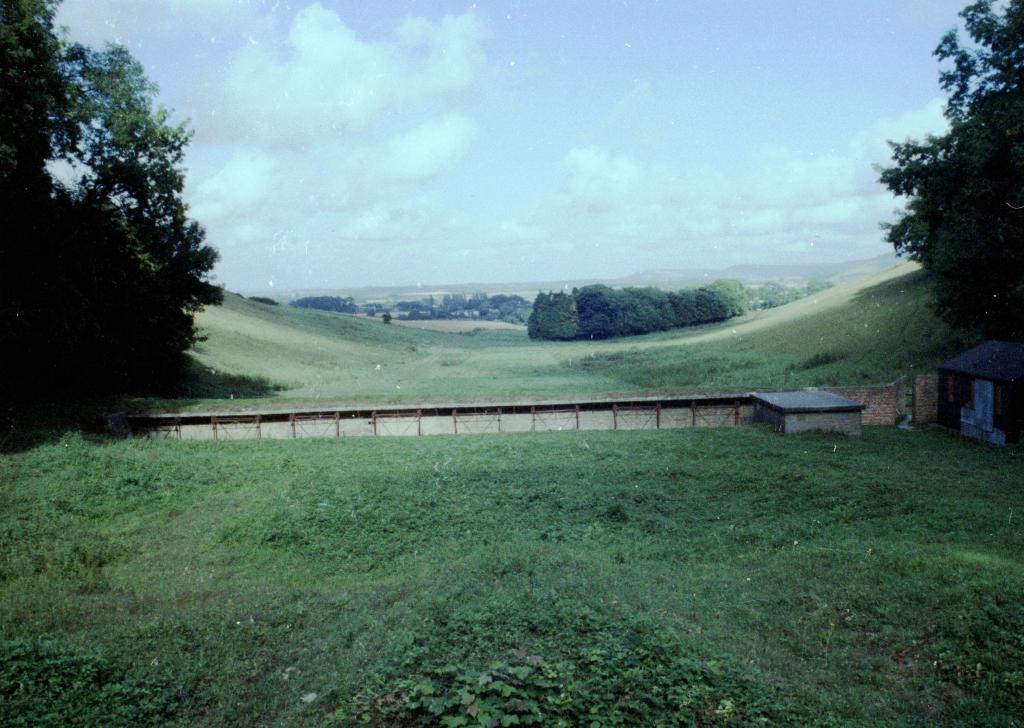
The markers’ gallery looking back towards the firing points, 1980s.
 Steyning Rifle Range