2016
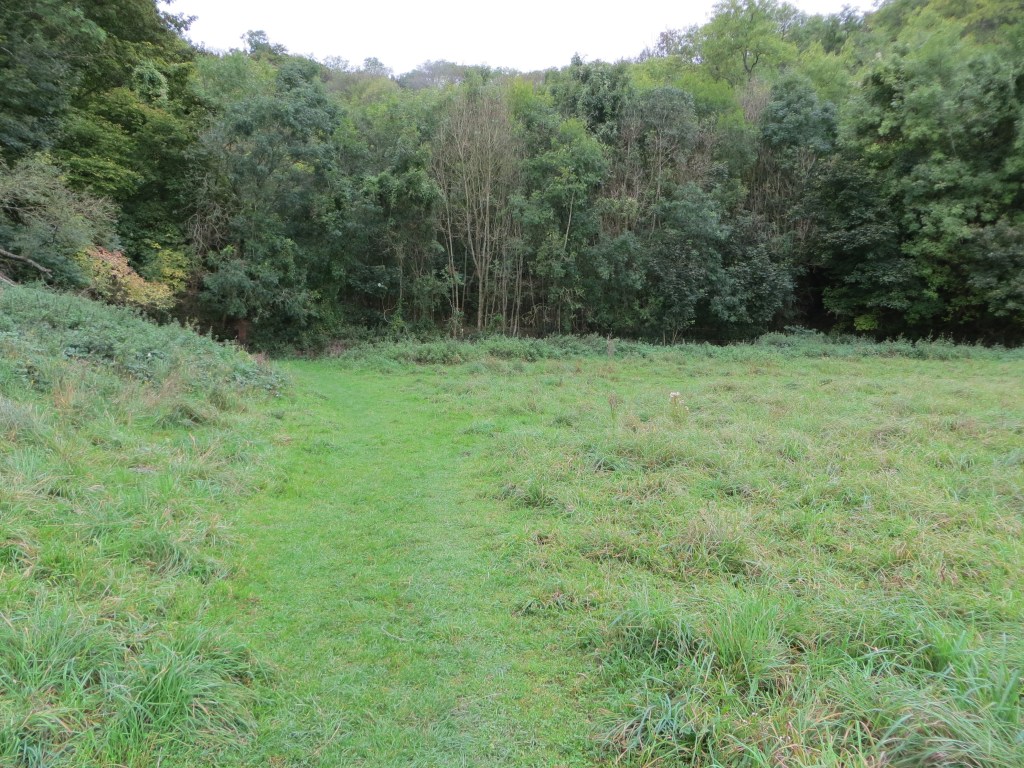
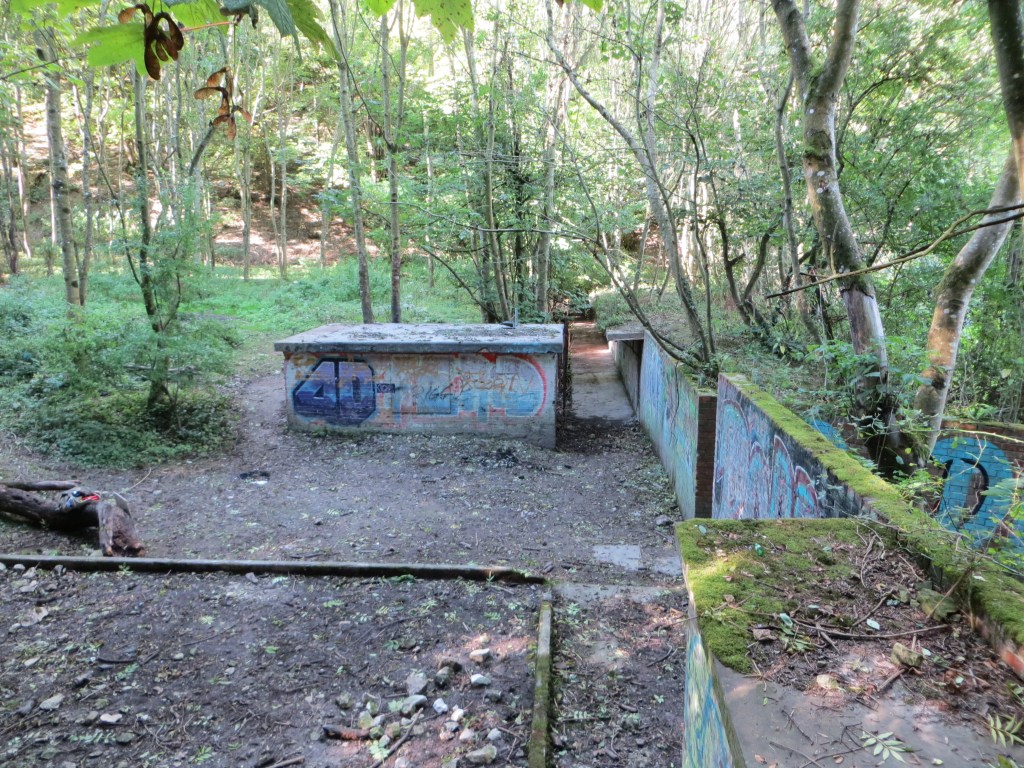
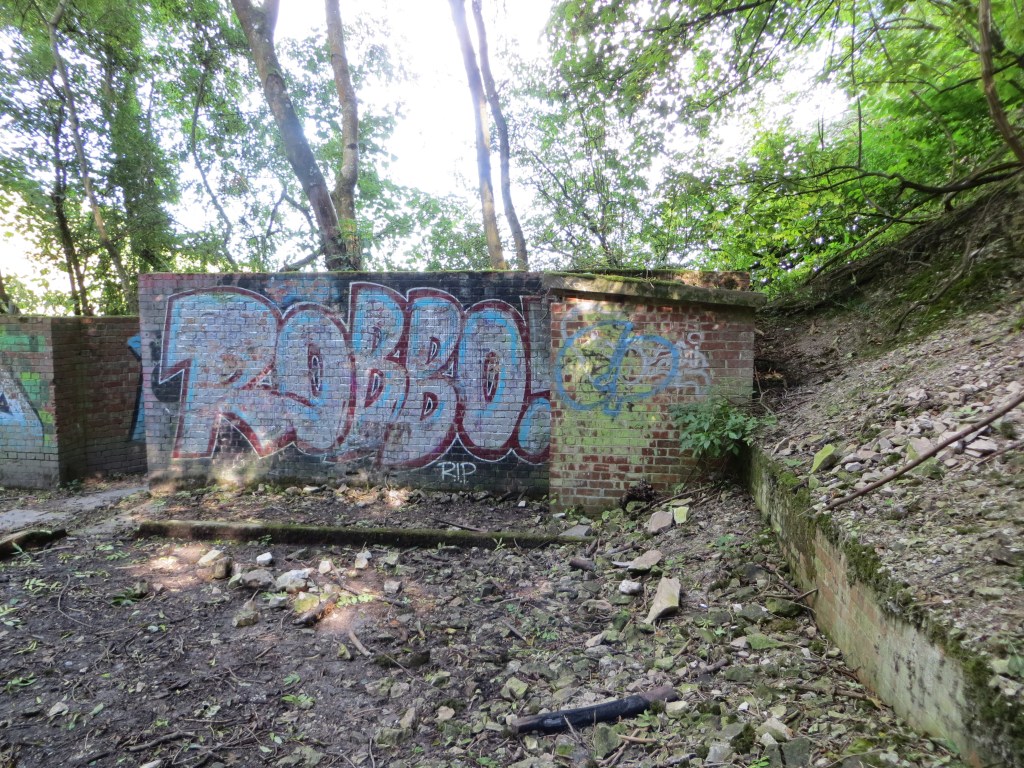
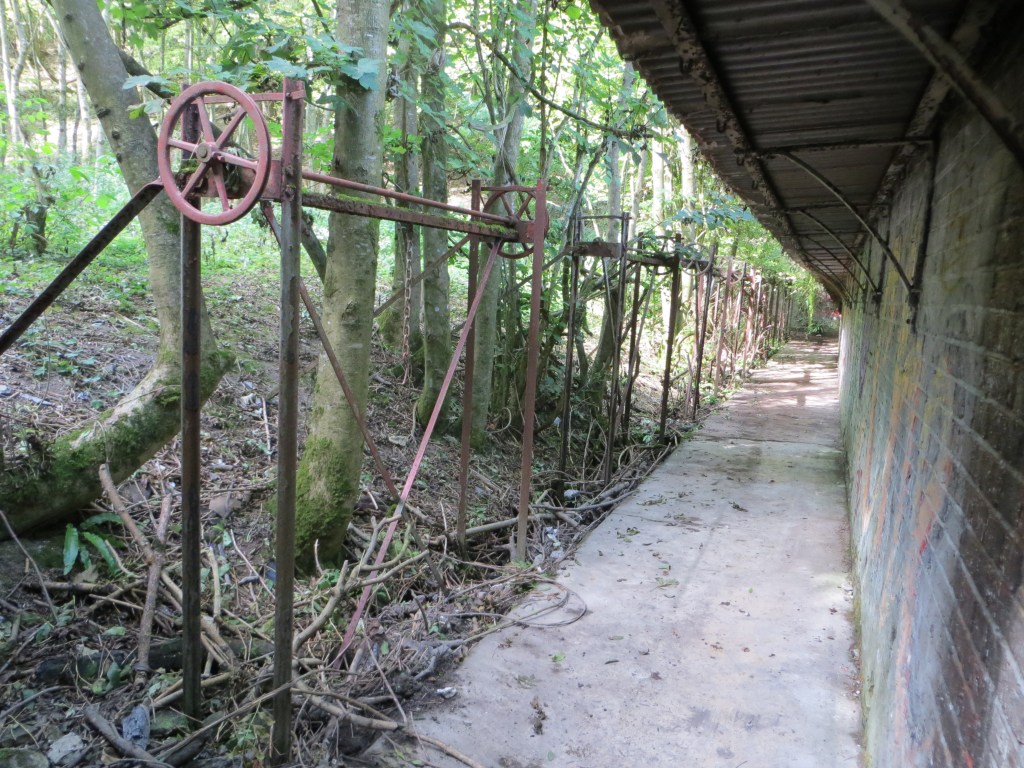
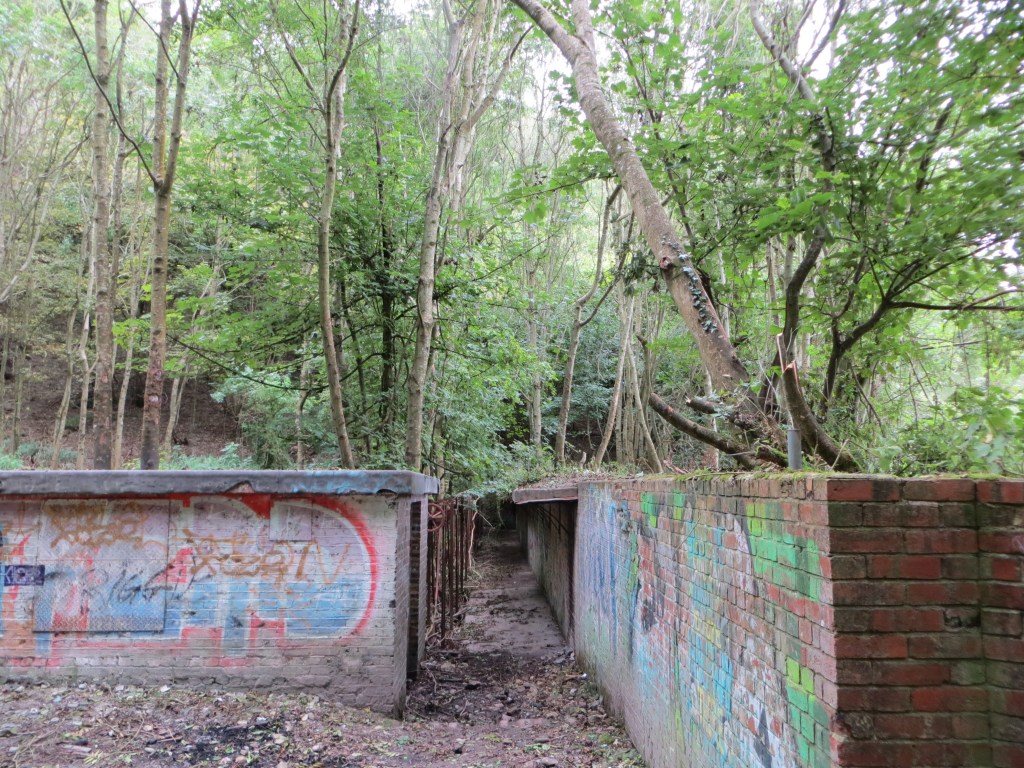
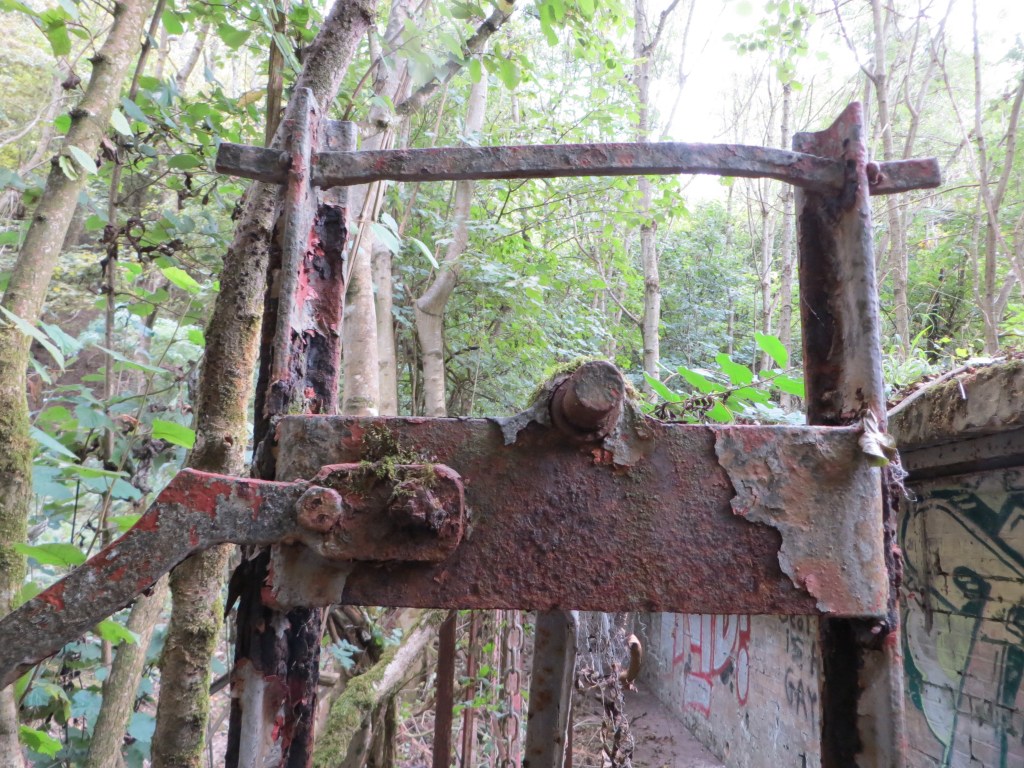
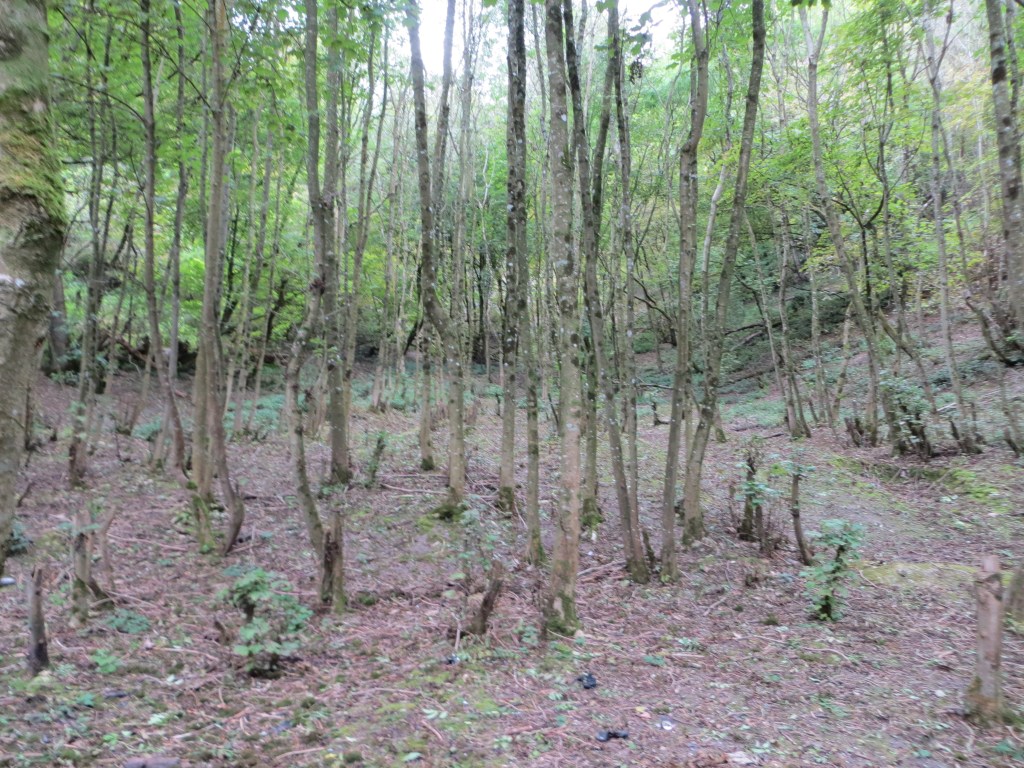
In 2016 it was decided by the Steyning Downland Scheme to clean up the rifle range target area and attempt to preserve it for the future. The site was heavily overgrown, as can be seen in the following photos and was on the way to dereliction. The first stage was to get a report written on the current state of the site. The second step was to cut down the 30 year old woodland that had grown up in the backstop, over the mantlet and around the target frames. This was done by the Steyning Downland Scheme conservation volunteers, with assistance from the local secondary school.


2017-2022
The Rifle Range team of volunteers (Steve, Olly, Diccon, Bill, Robin and Justin) came together in 2017 to begin work on the site. The first job was to tidy up the rubbish in the markers’ gallery, resulting in six rubble sacks of glass, cans, food packaging and much more. Rubbish is a big problem up here and this was merely the latest in a long line of clearance work.
The markers’ gallery contains eight metal target frames all of which are placed in brick and concrete pits. These pits had filled up with years of organic debris, not to mention large amounts of rubbish and metalwork – cleaning these was our second challenge.
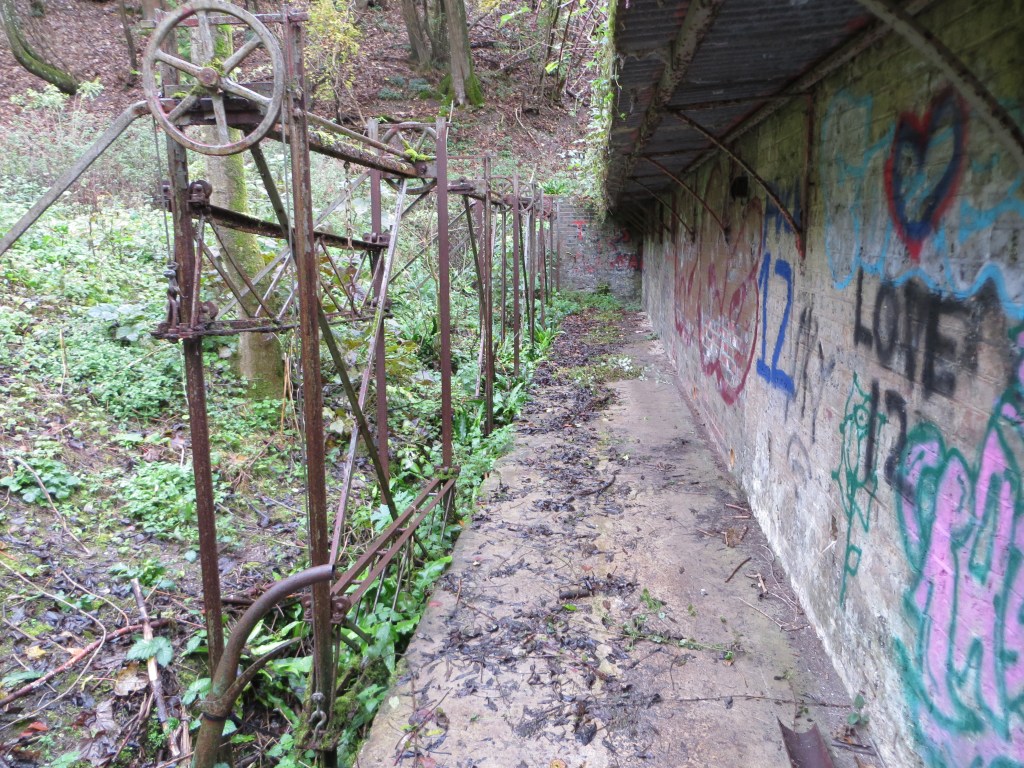
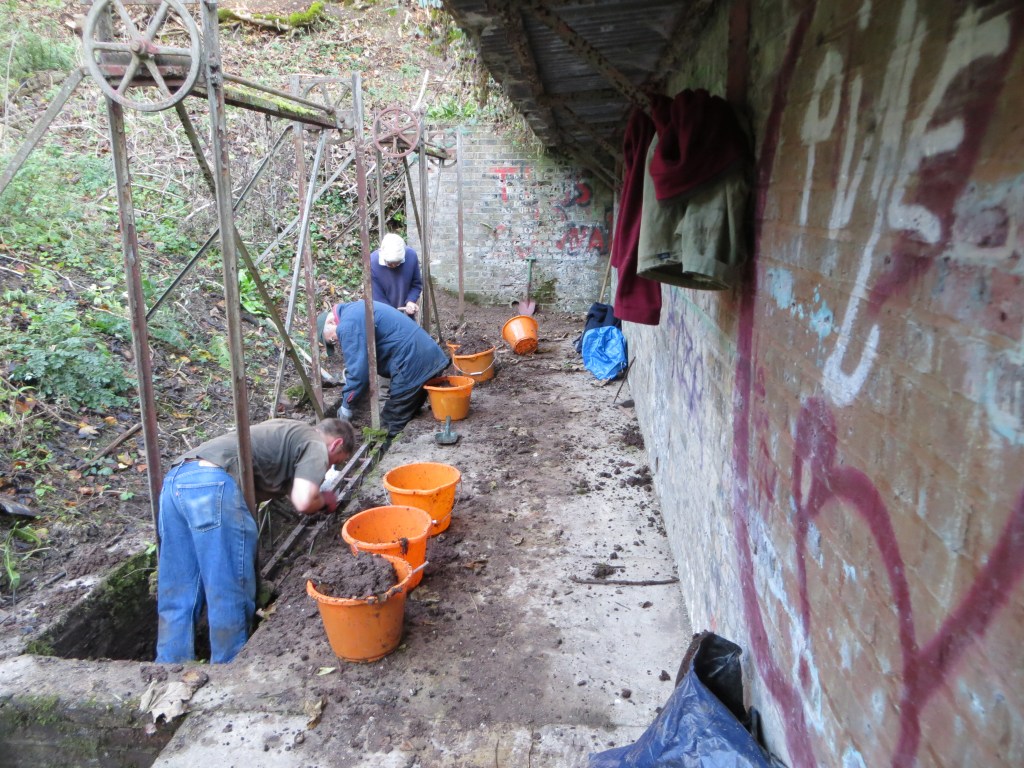
Markers’ gallery before we started work
The largest objects removed from the target pits were the two Oxford Allen autosythes (grass cutters) which were dumped here when the range closed. These were so heavy that five of us were required to heave each one out. According to Steve Handerer, range warden in the 1980s, these two were cannibalised for spare parts, for a third (working) autosythe, presumably taken away on closure of the range.
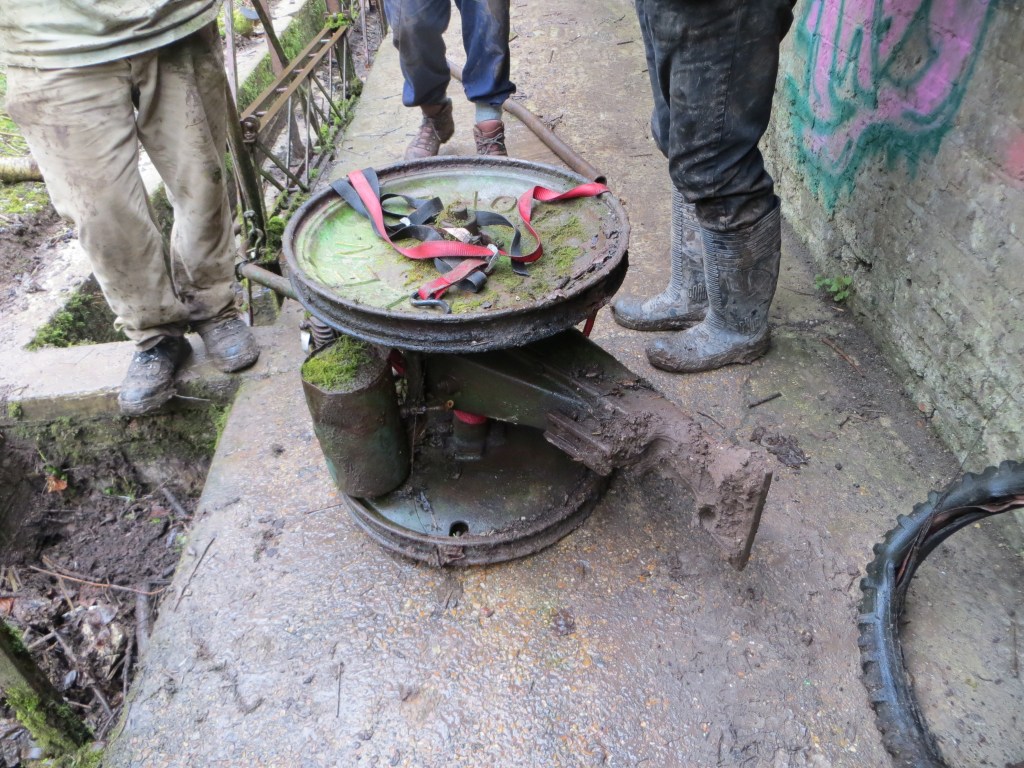
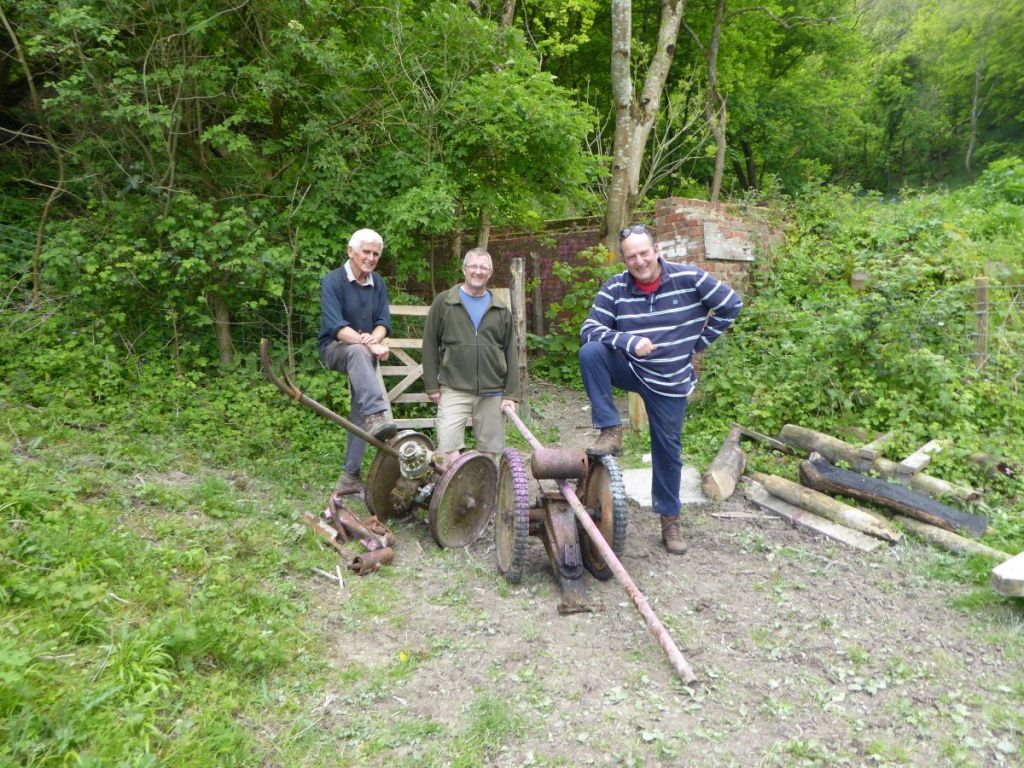
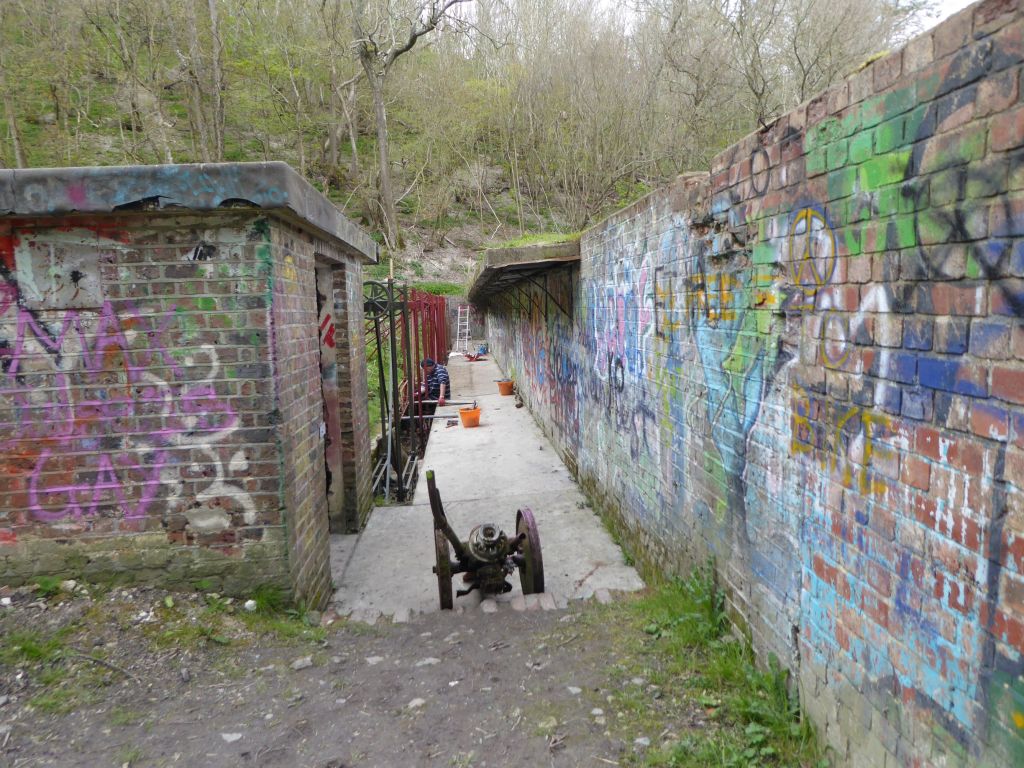
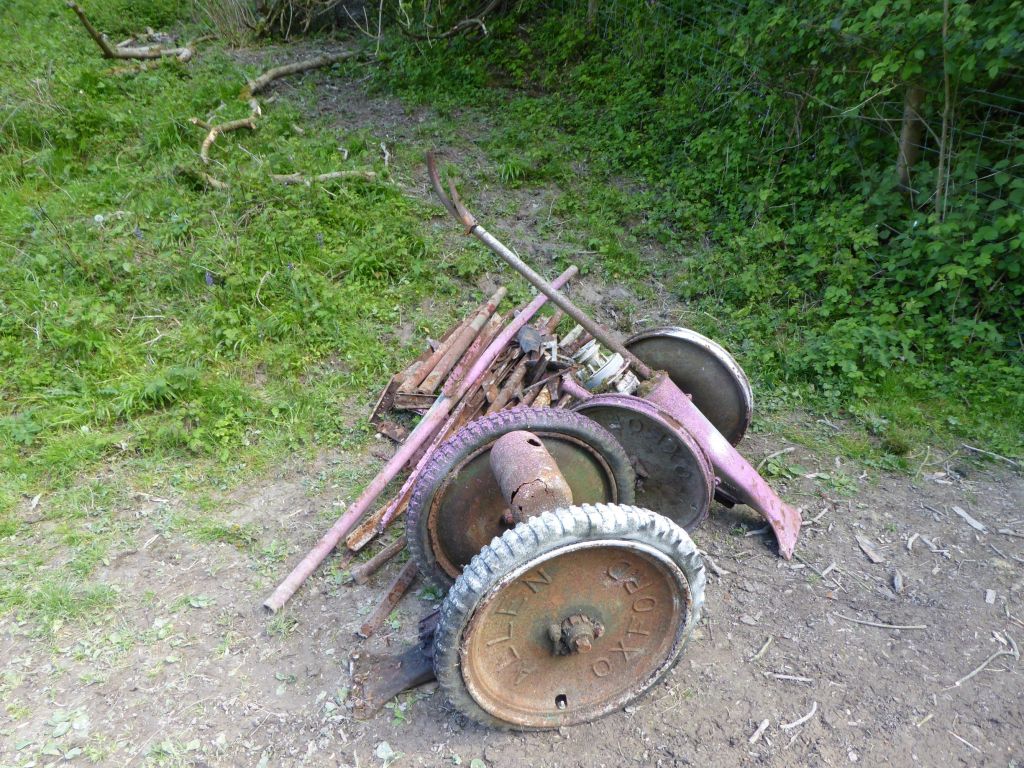

The autosythes finally got removed from site, Bill, Steve, Robin and Justin hauling them out into the field for collection. Tim, from Ralph Restorations, came to pick them up and both mowers fitted perfectly into the small wooden trailer. It was a shame to see them go, but they were becoming a bit of a problem with the nocturnal visitors who visit the site – we often found the mowers and their associated bits scattered around the markers’ gallery, mostly in the target pits. They had to go before some serious damage was done.
Out of the eight target frames on site, frame 1 seemed to be the best preserved, so we decided to concentrate our efforts on restoring this one to working order, for the first open day. The pulley wheels and carriages were removed and taken away for blast cleaning.
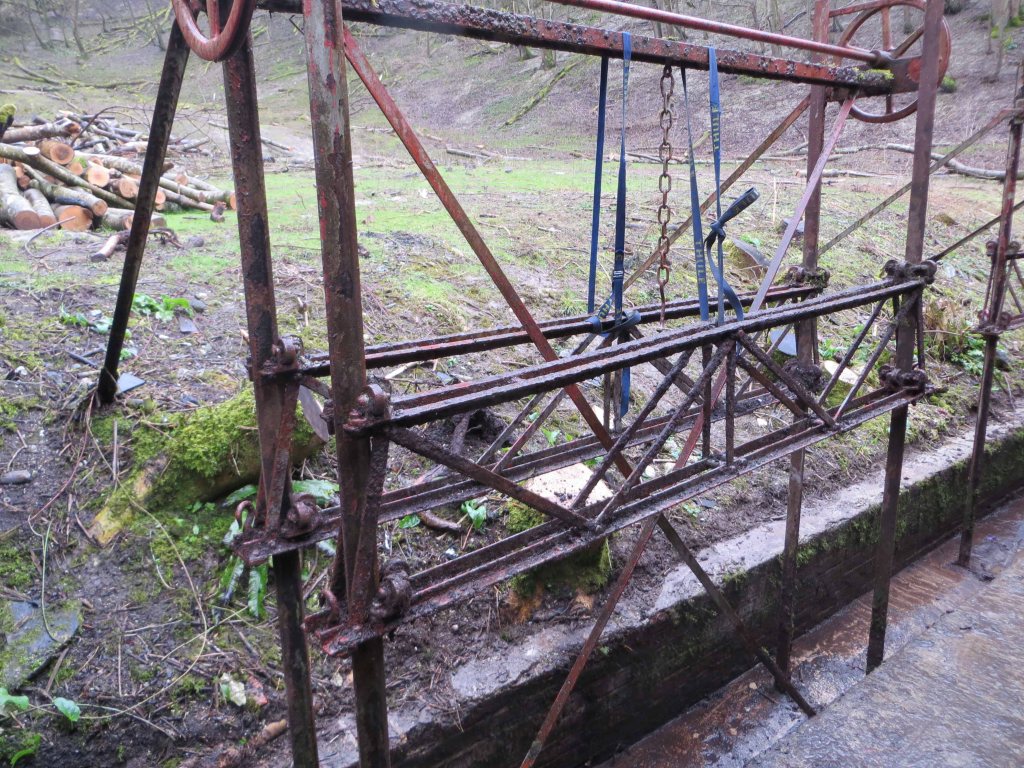
Frame 1 after raising the carriages.

Pulley wheels and carriages after removal.
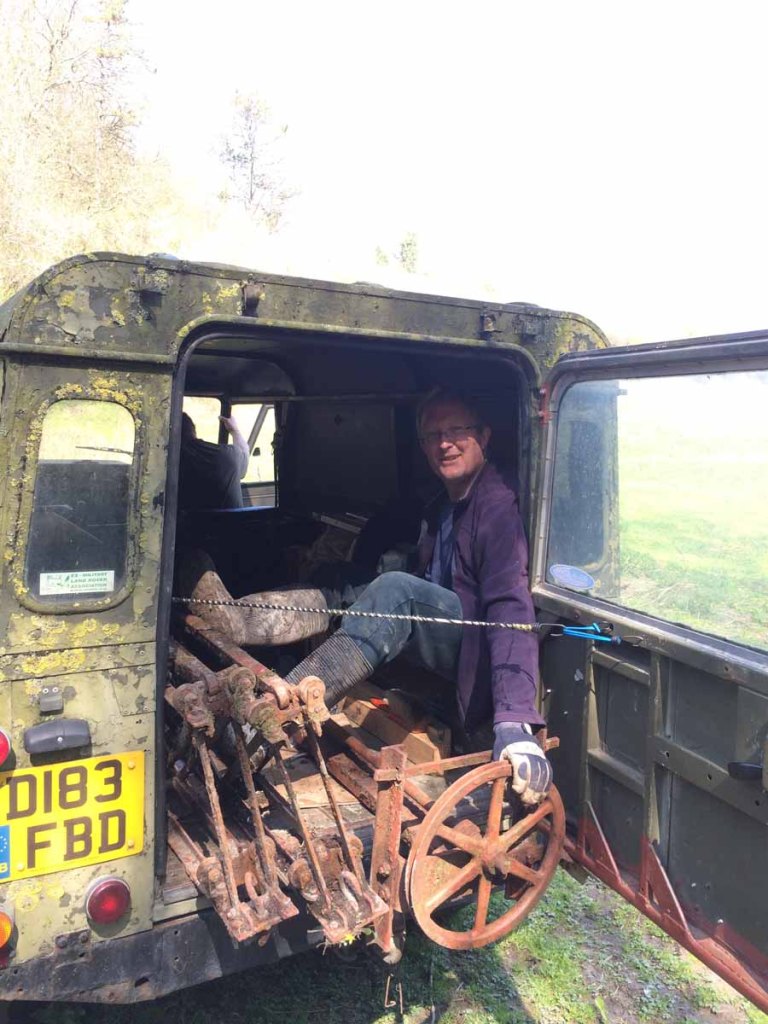
Diccon and Steve take the metalwork out of the valley (photo: Robin).
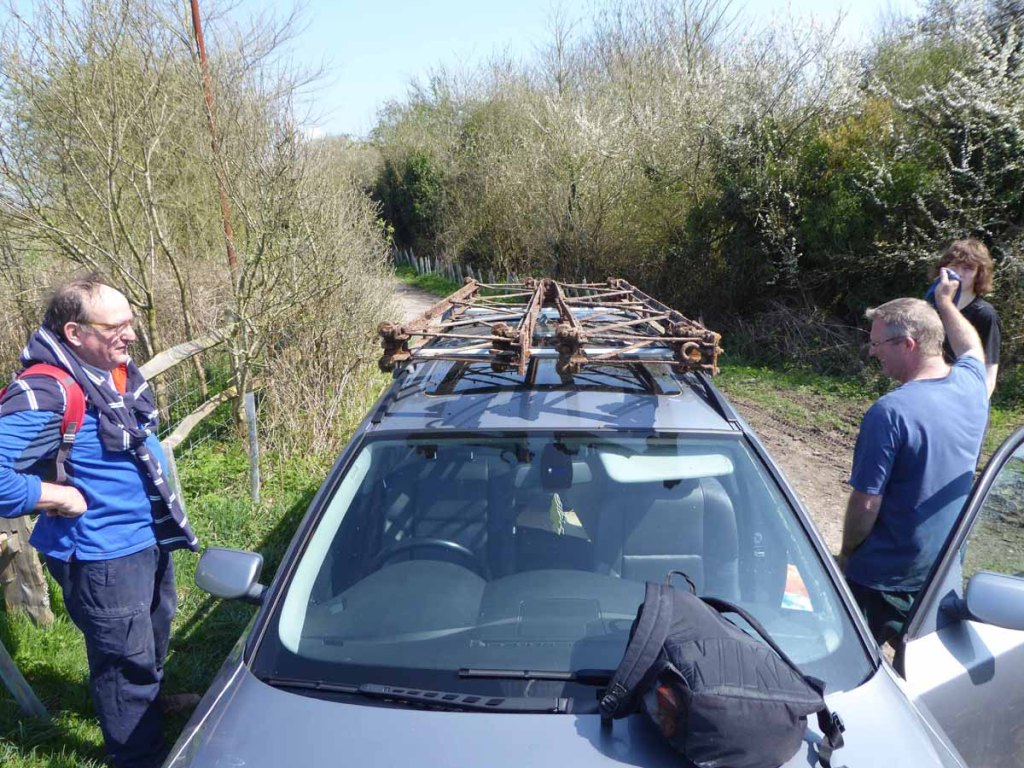
Carriages on Steve’s roof rack, on their way to the blasting shop.
Once cleaned up it was evident that there was some serious rust damage to one of the carriages and a small amount of repair work was required. This was accomplished with the use of Steve’s garage and tool kit.
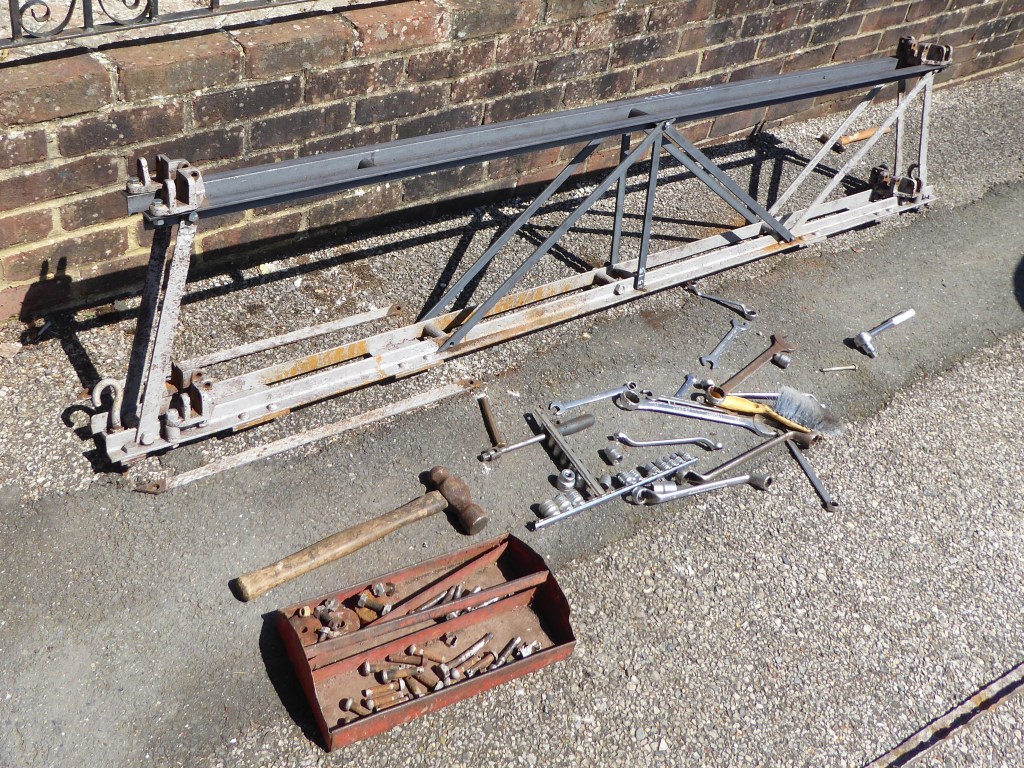
The repaired carriage.
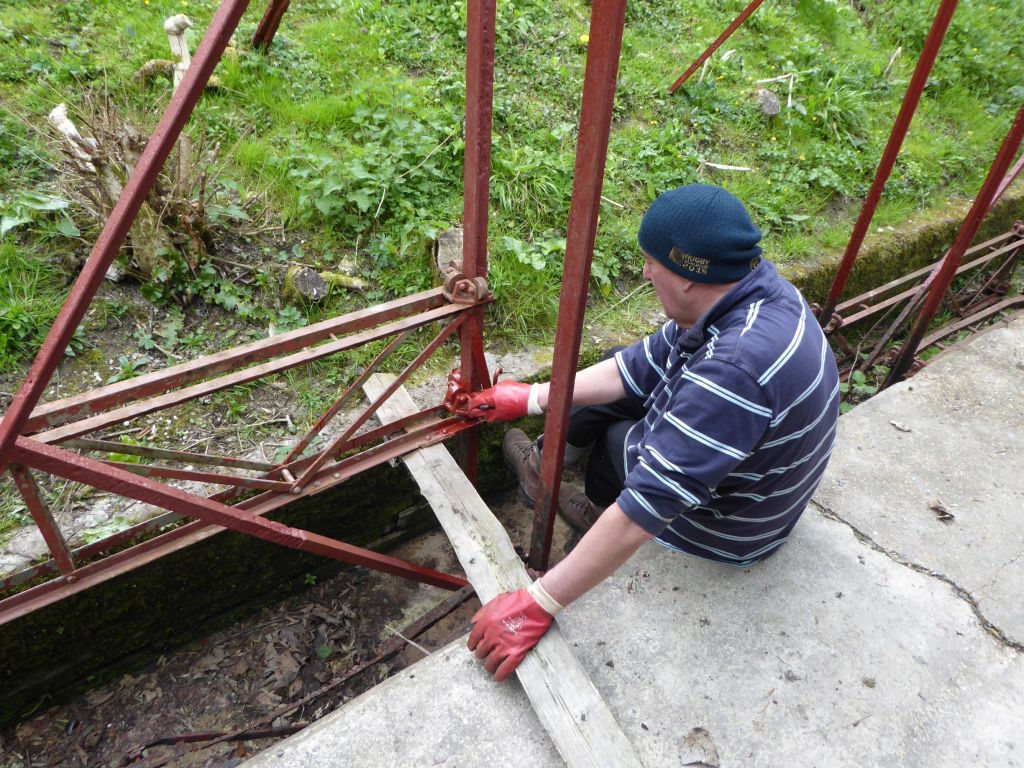
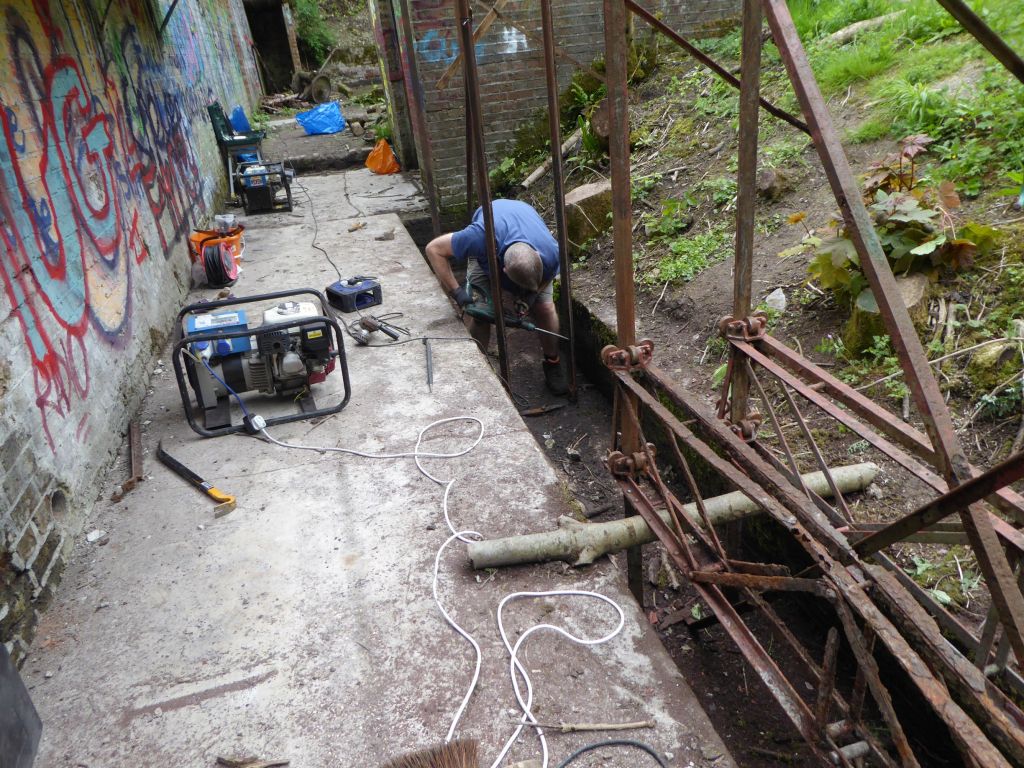
Cleaning the rust with a wire brush and power tools.
Once the pulley wheels and carriages were returned to site, rust sealed and given a fresh coat of paint, they were welded back in place by Steve and Kas from P.A.C Welding.
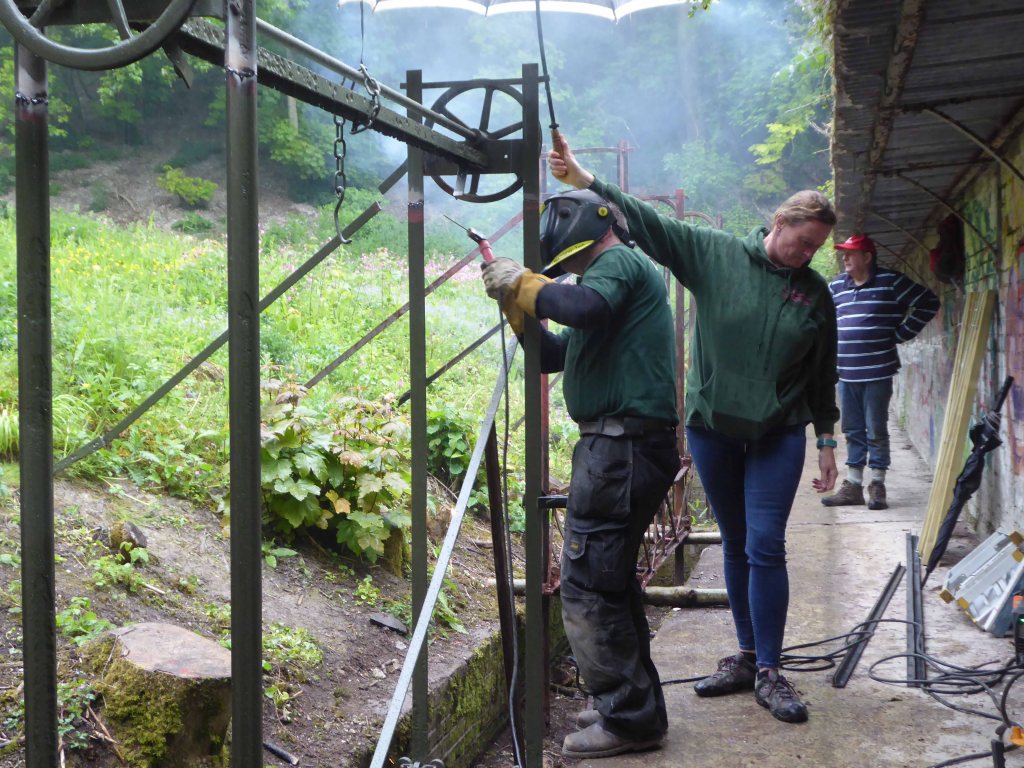
In spite of the heavy rain, frame 1 was finally complete and in working order, thirty years after the range closed. Steve had made some wooden frames to slot into the carriages and we couldn’t resist putting them in place and seeing how they worked.
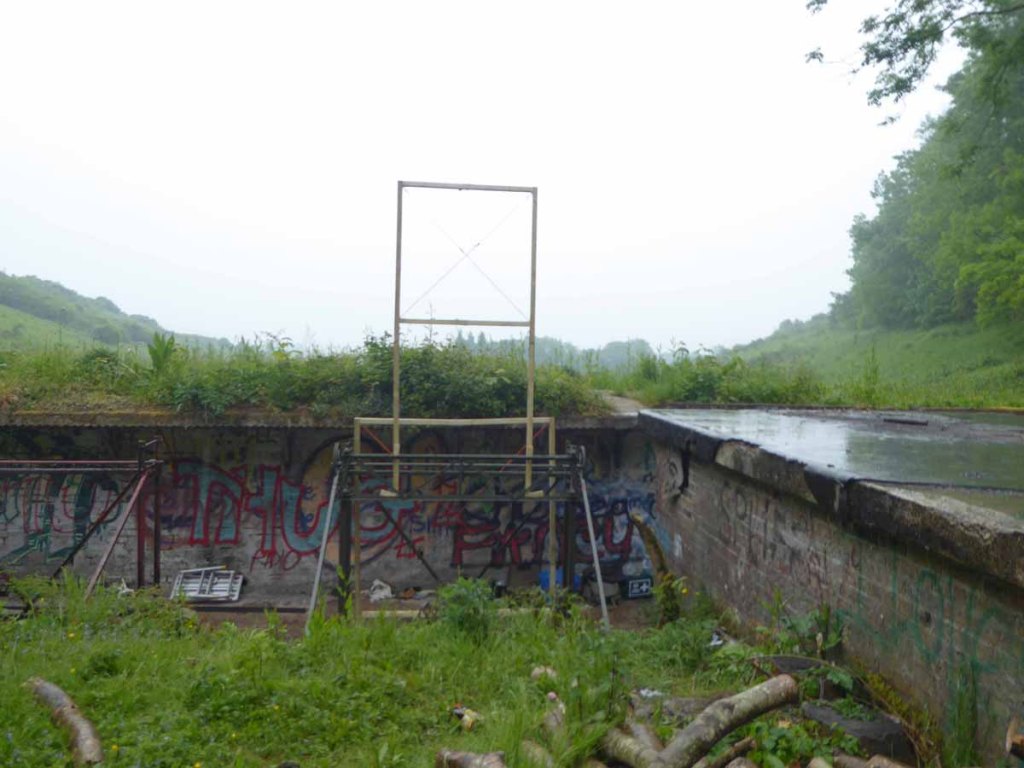
A four foot wooden target frame raised into position, while the 6 foot frame is lowered.
In addition to this, the team put in a heroic effort cleaning the workshop platform. The timber framed workshop was dismantled/destroyed many years ago and all that currently remains is the concrete base on which it stood. There was a significant amount of chalk rubble on the workshop platform, which had slumped from the valley side and all of this needed to be removed.

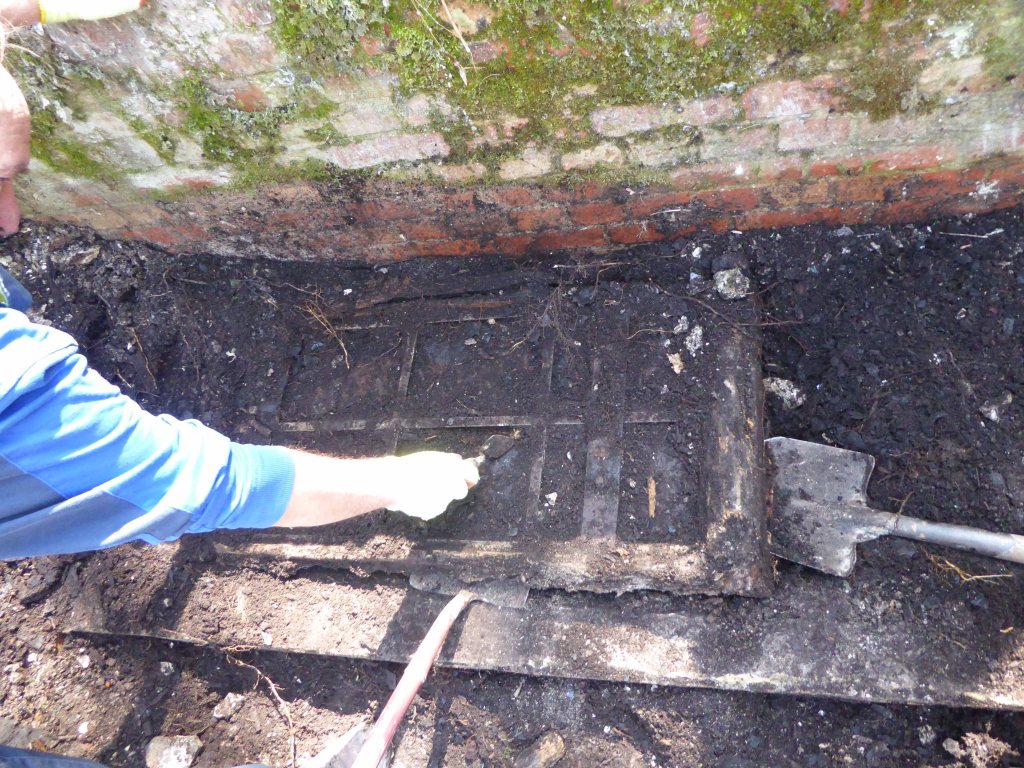
One of the original protected window frames from the workshop was found and here Robin and Olly lift it out.
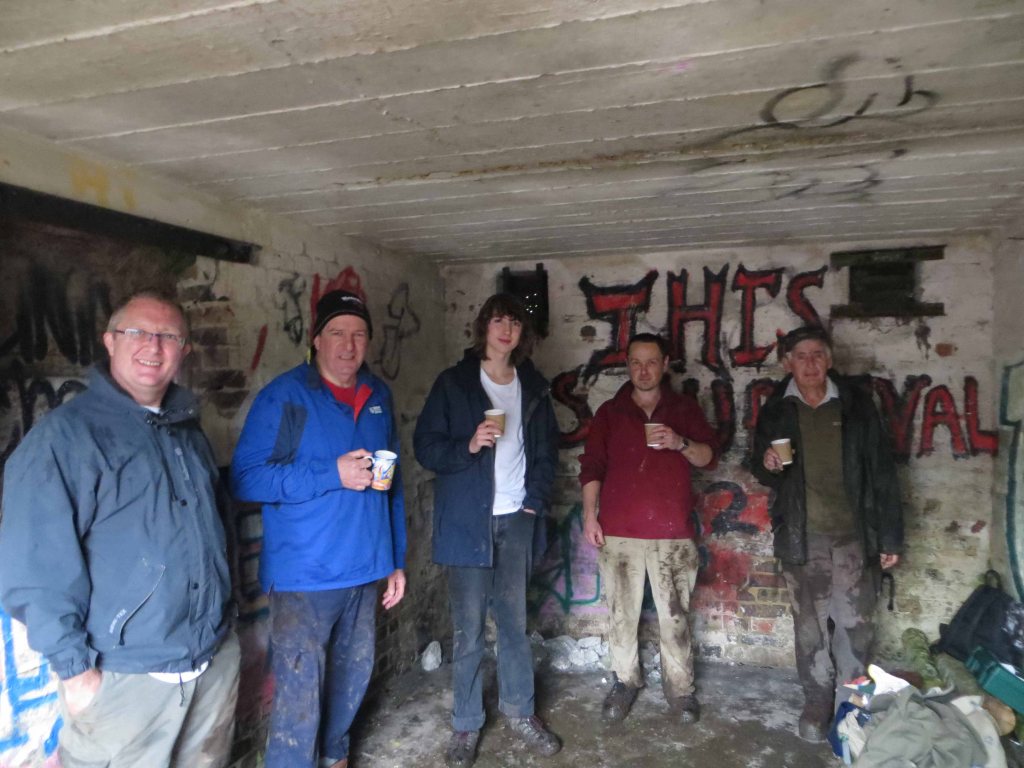
‘THIS IS SURVIVAL’: The team on a particularly cold and wet day of conservation.
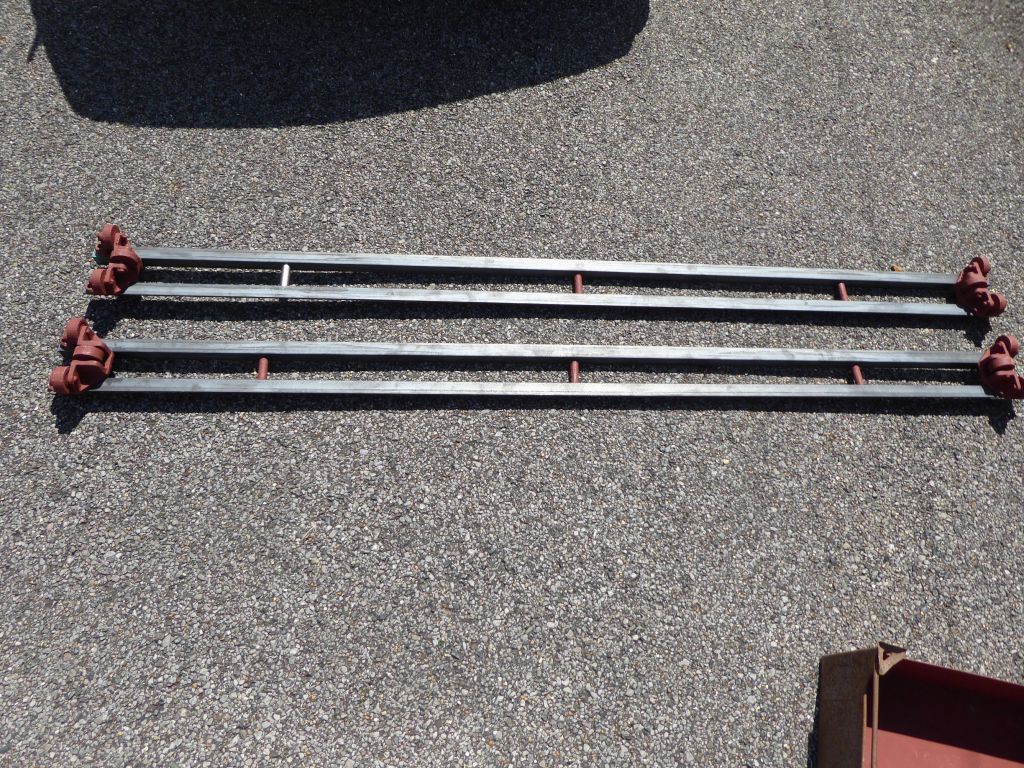
Eventually all 8 frames were wire bushed and painted, but it was found that some of the carriages were in very poor condition. During the Covid 19 lockdowns, two carriages were removed from the frames and taken away to be cleaned and repaired. New sections of angle iron were used to replace the damaged elements.
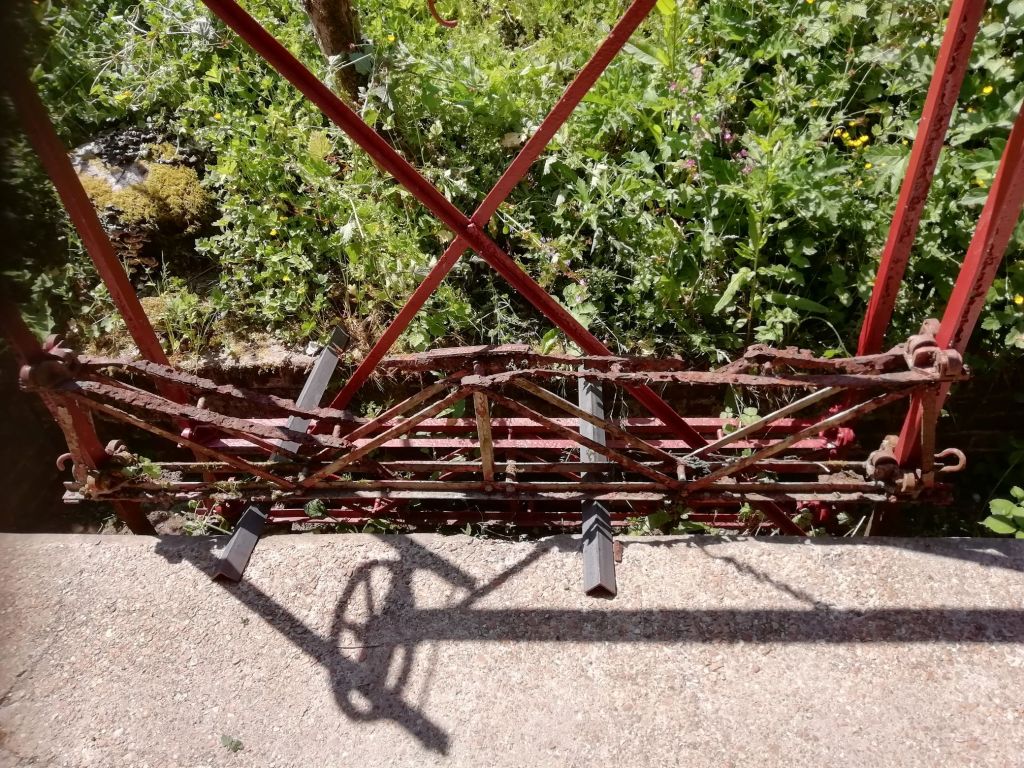
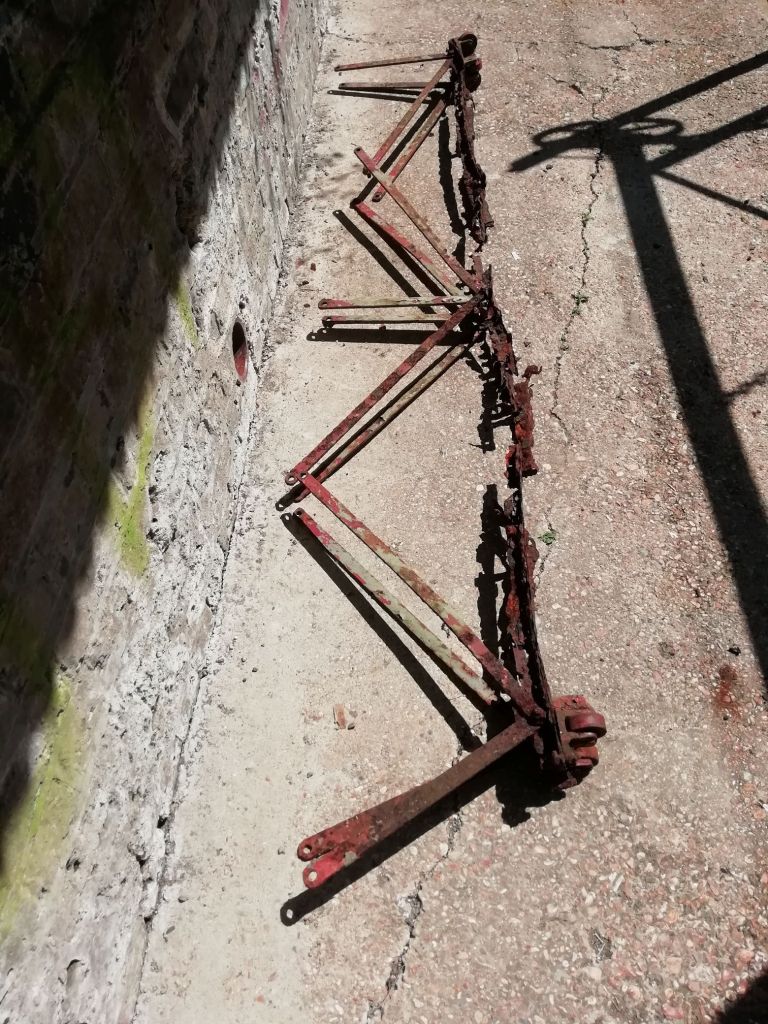
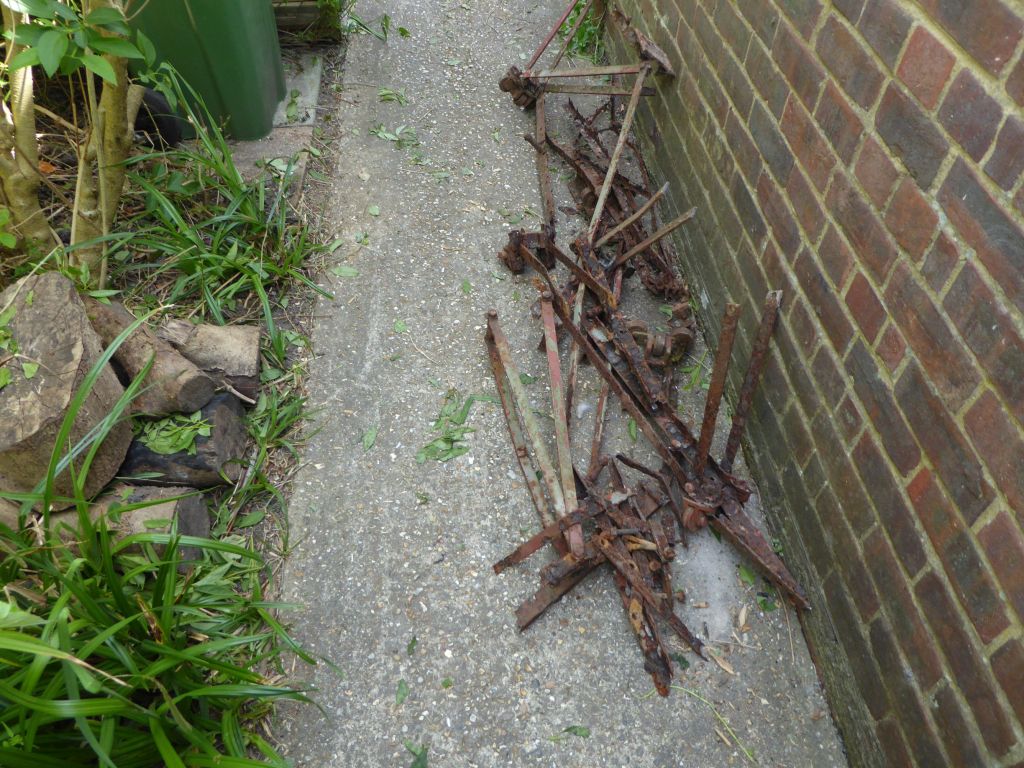
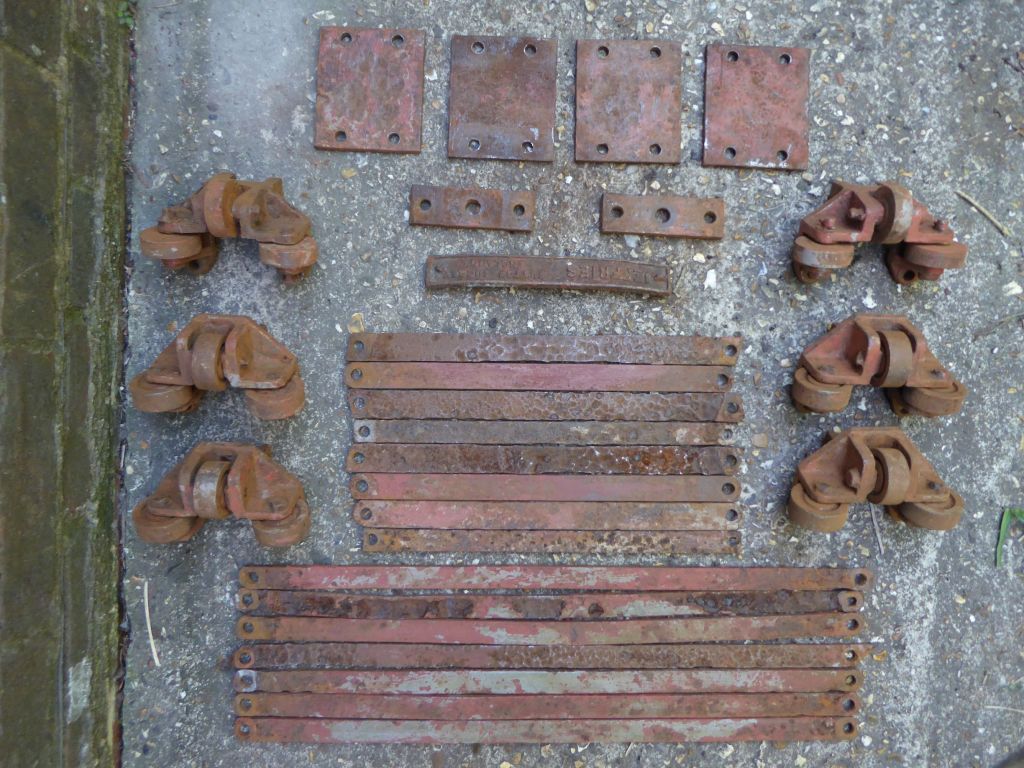
One of the carriages after removal and the pieces dismantled and ready for cleaning.
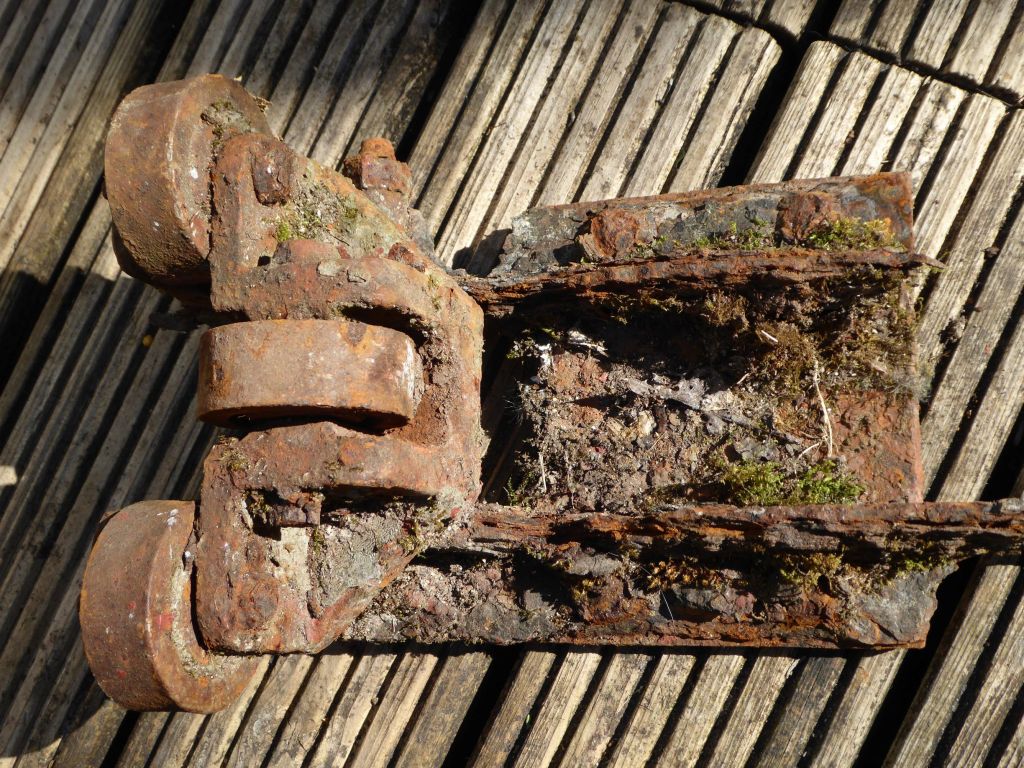
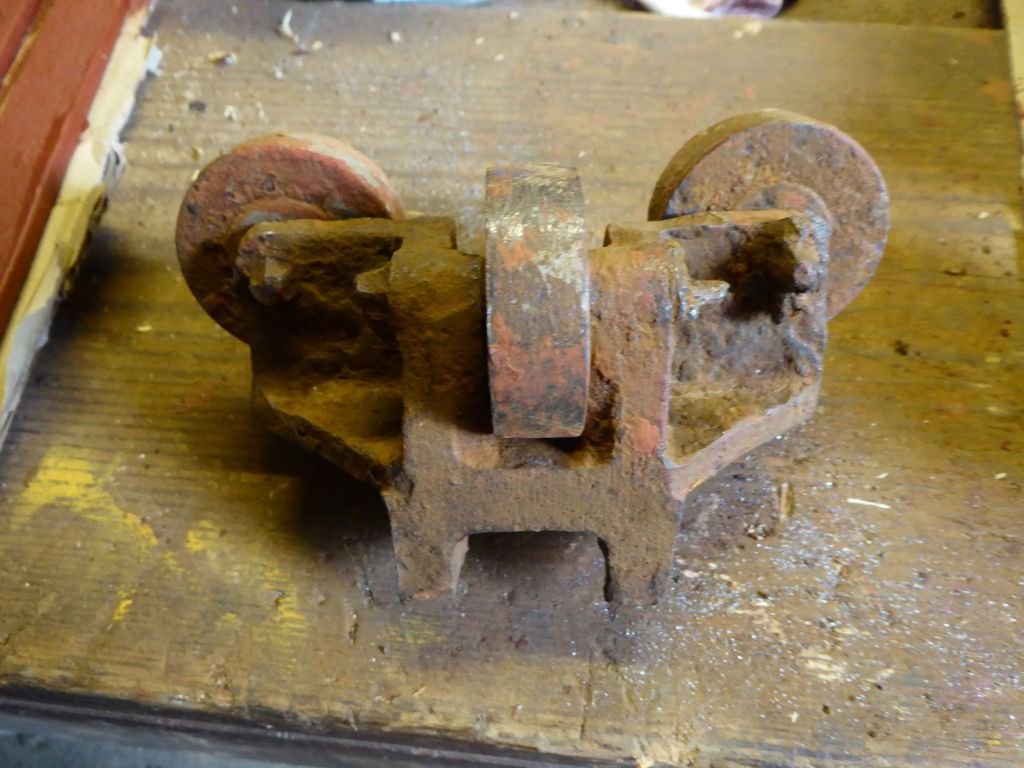
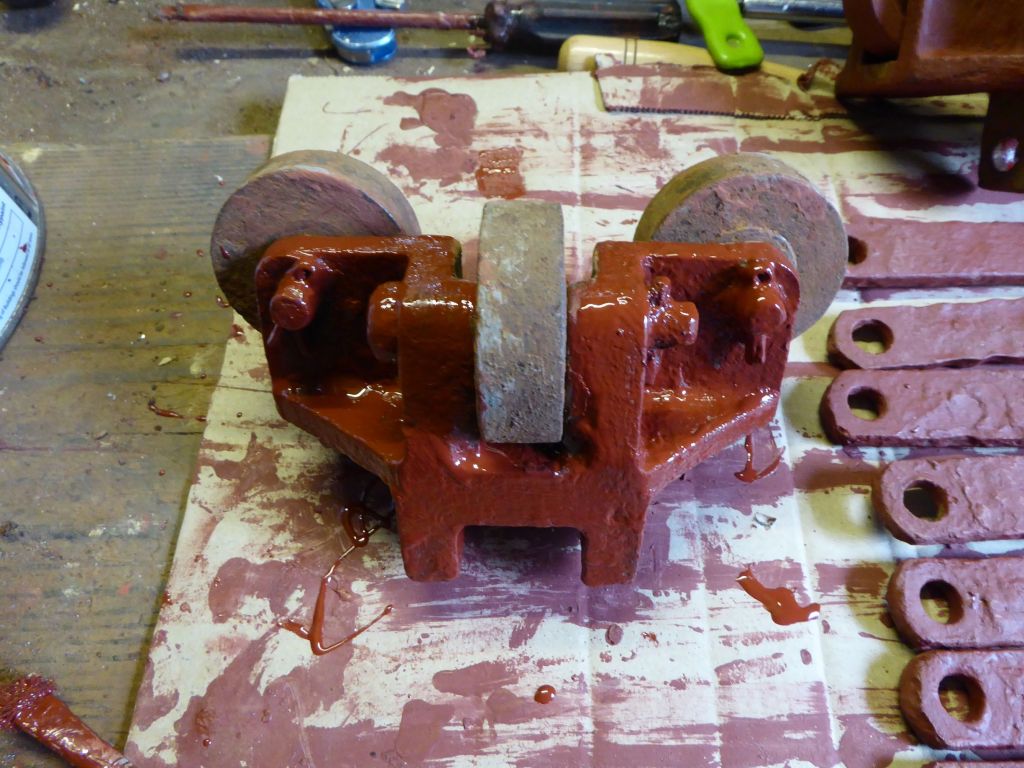
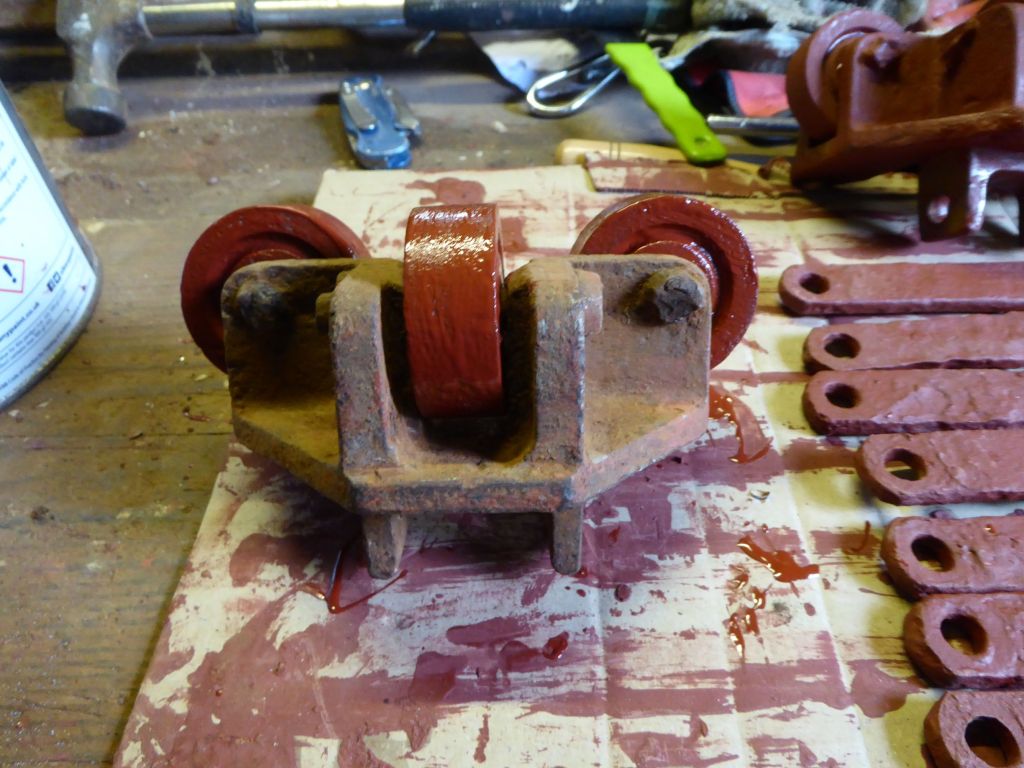
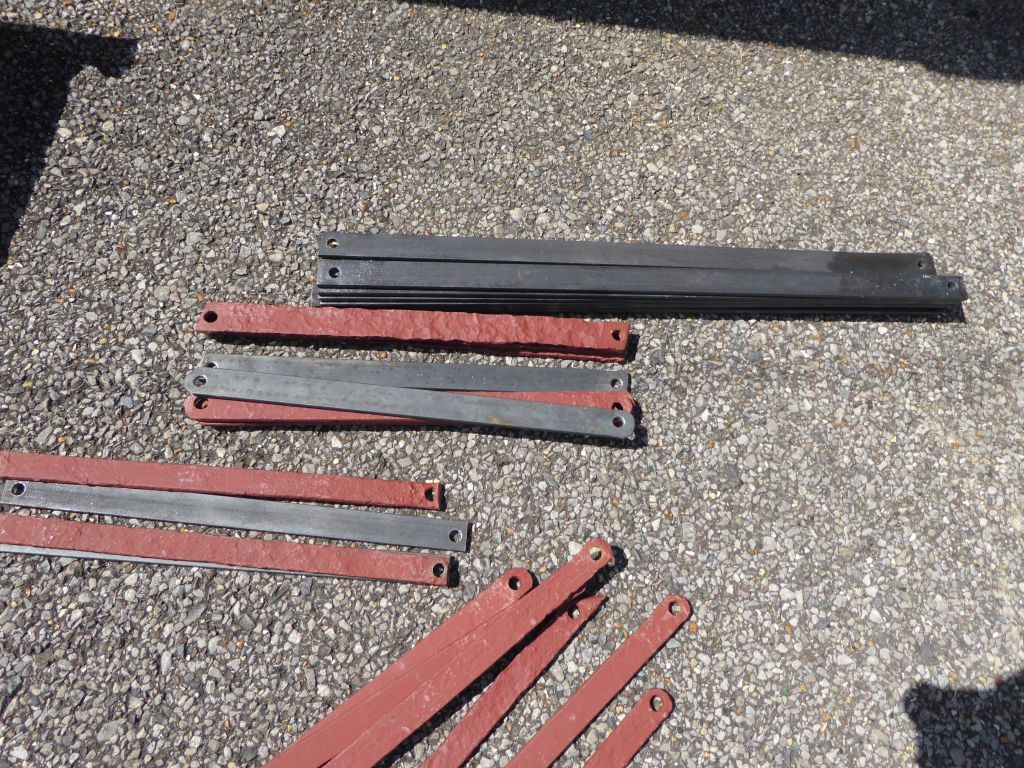
The next sequence of photos show the frames in various stages of preparation.

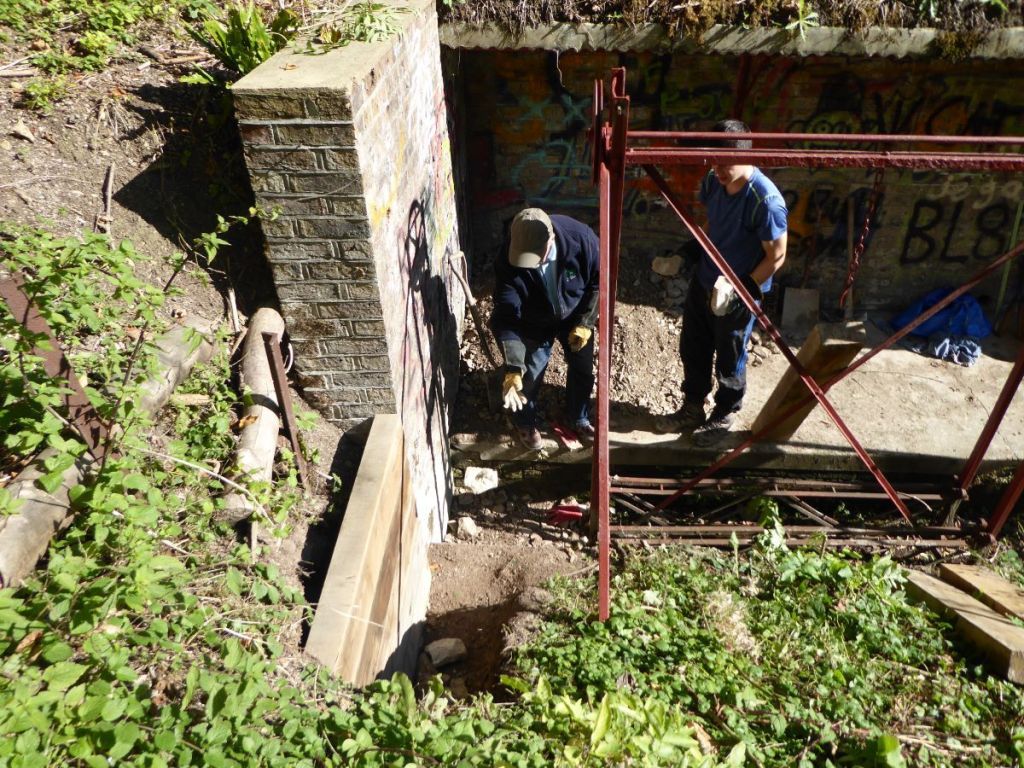
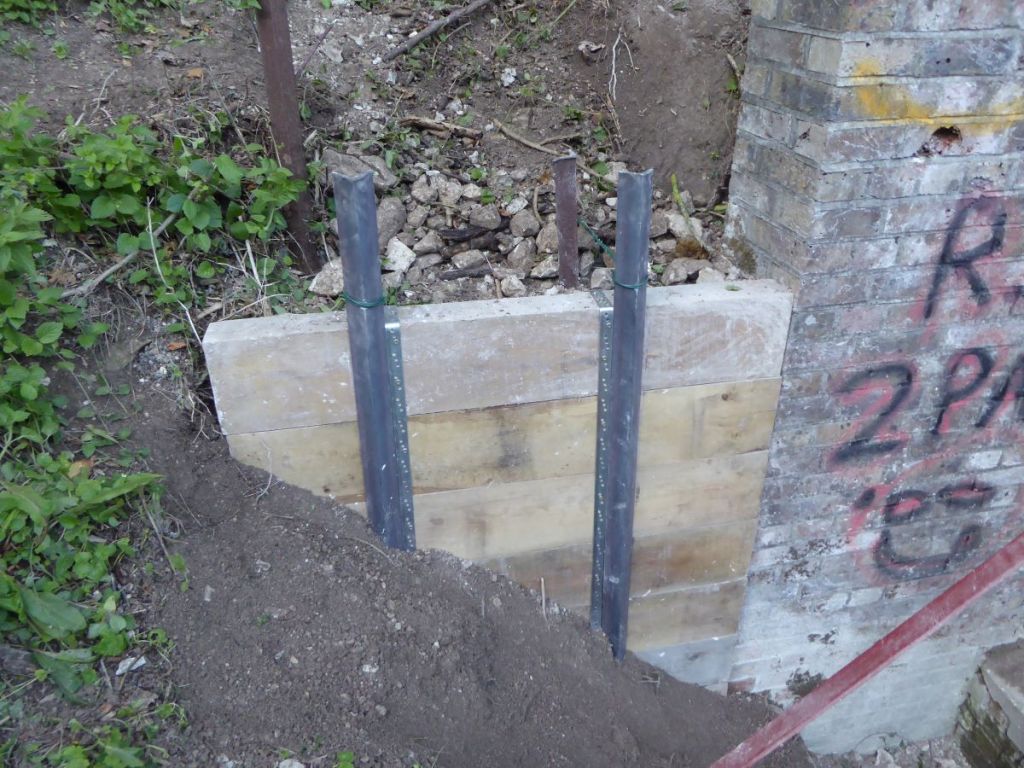
The far end of the markers’ gallery has been suffering from soil slipping down the slope and filling up target pit 8. Cleaning out the pit was becoming a bit of a regular task, so in a bid to limit the soil slippage, it was agreed to build a sleeper wall. Mike and Mark, from the SDS Conservation team helped out with this project, hauling the sleepers down the gallery and digging the slot in which they would sit. Two supporting angle irons were hammered in, which were then wired to two others further up the slope (following instructions from the 1921 Military Engineering Manual). Hopefully this will stem the tide of soil for a least a few years.
One of the problems faced when looking after a remote and secluded site is that it gets a lot of nocturnal visitors, some of whom are very messy. As a result, the site needs regular litter collections. There used to be a wheelie bin, supplied by the SDS, for rubbish, but this was set on fire.

In this festive scene, someone has taken the time to bring up a Christmas tree and chairs to the target store. These later got put on a fire by other visitors.
The graffiti changes frequently, on the markers’ gallery wall and target store and some of it can be quite interesting.

One of the more interesting pieces of graffiti, July 2021.
Conservation work has quietened down over the last few years, while the archaeological excavations have taken off.
 Steyning Rifle Range